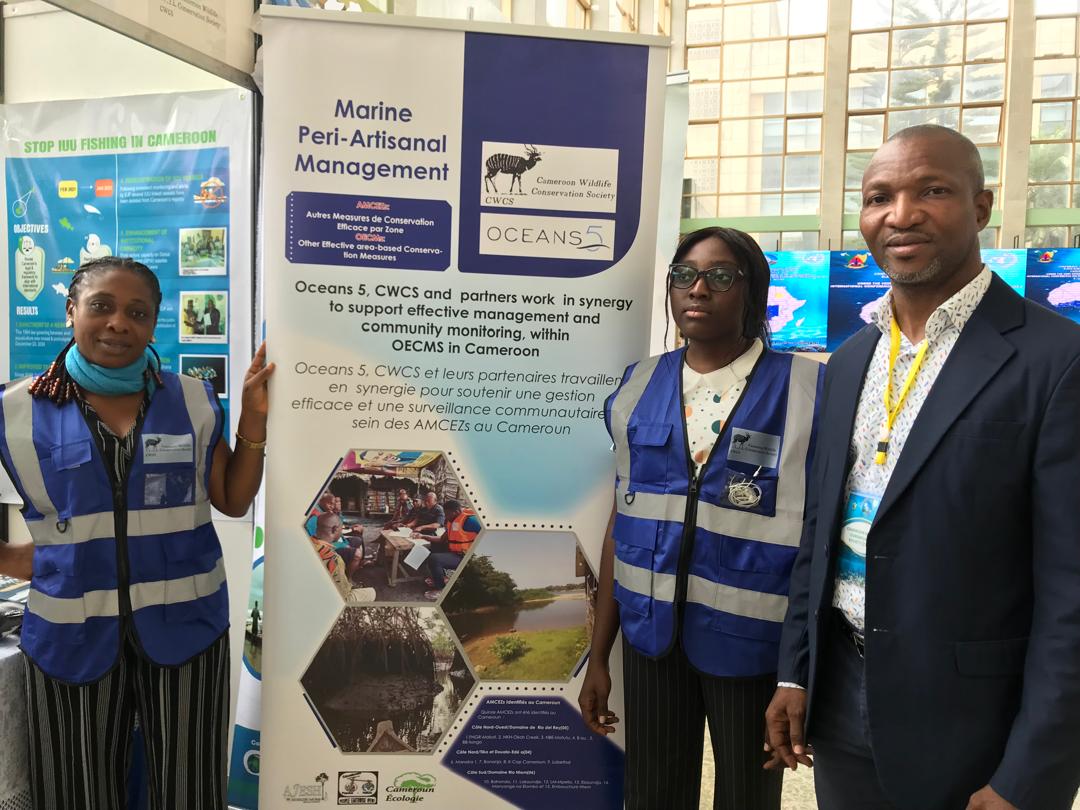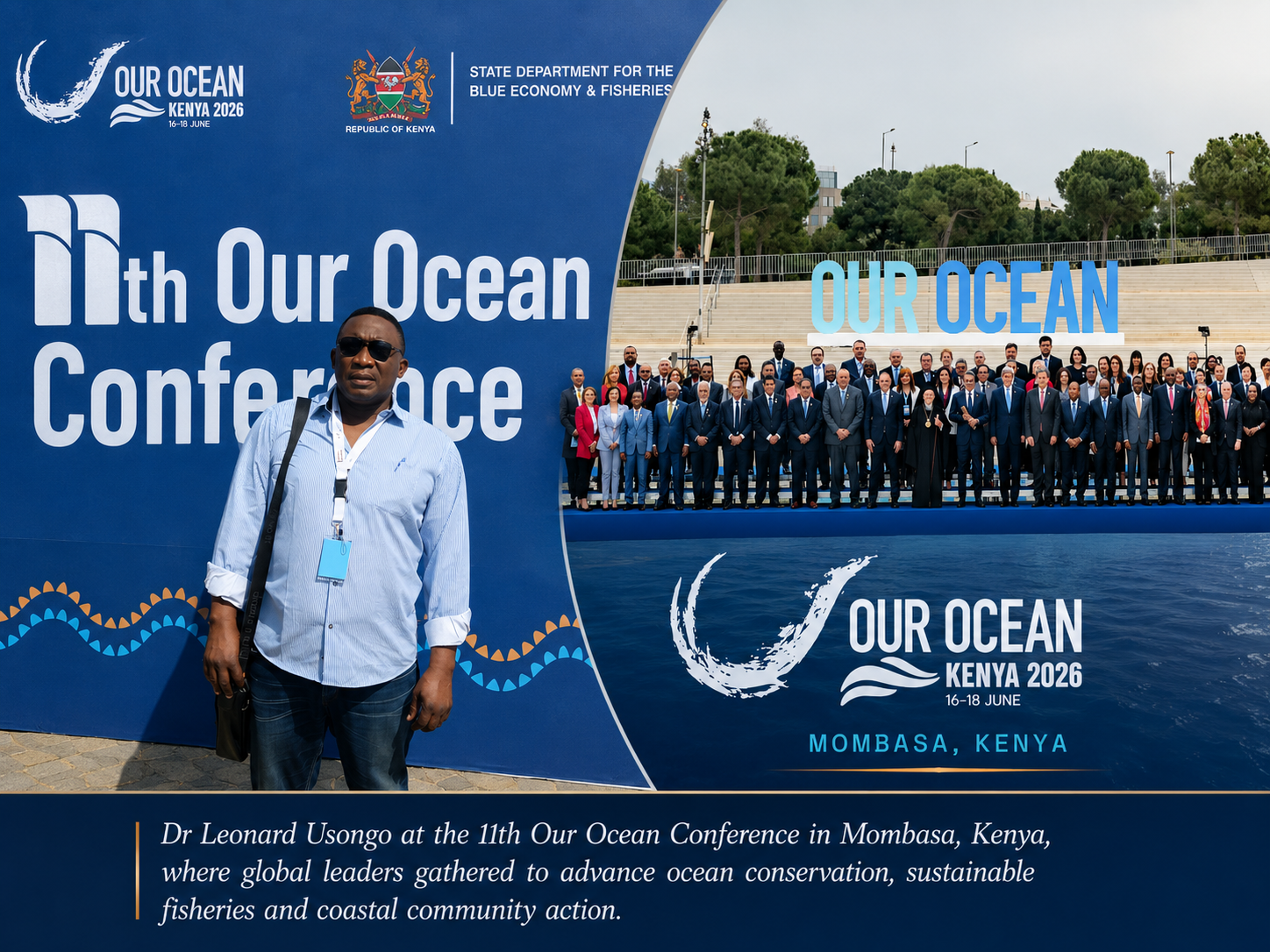
The Cameroon Wildlife Conservation Society (CWCS) joined global Ocean leaders in Mombasa, Kenya, for the 11th Our Ocean Conference, which held from 16 to 18 June 2026. For the first time since its creation more than a decade ago, the conference was hosted on the African soil, giving strong visibility to the continent’s coastal ecosystems, fishing communities and blue economy priorities.
The conference brought together more than 1,500 participants, including governments, civil society organisations, research institutions, donors, private sector actors and representatives of fishing communities. It was chaired by Kenyan President H.E. William Ruto, alongside the conference founder and former United States Secretary of State, John Kerry.
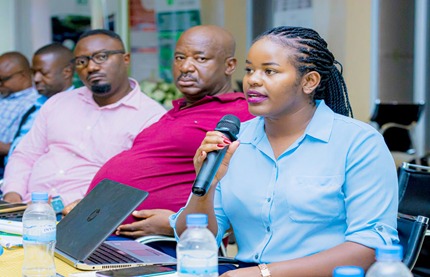
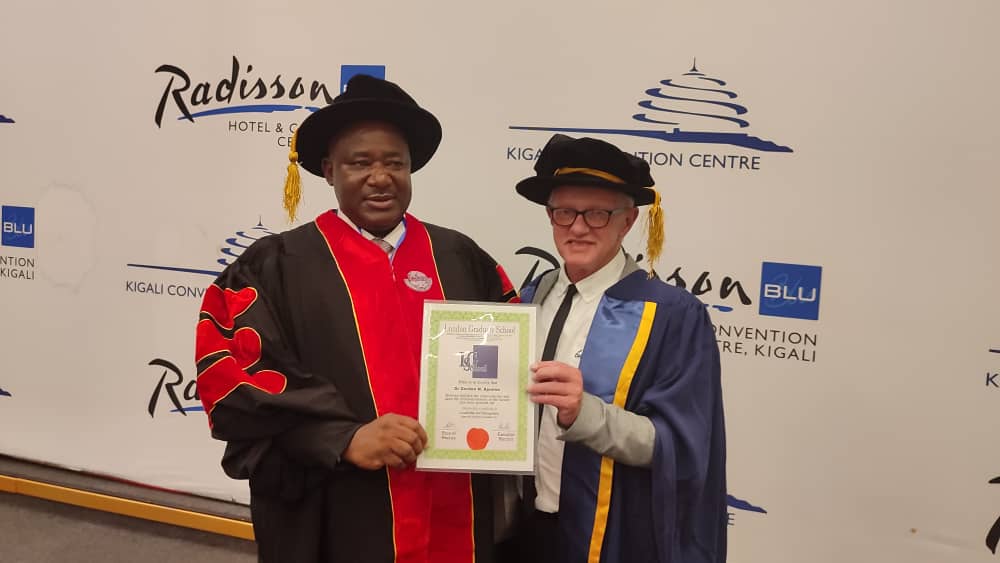
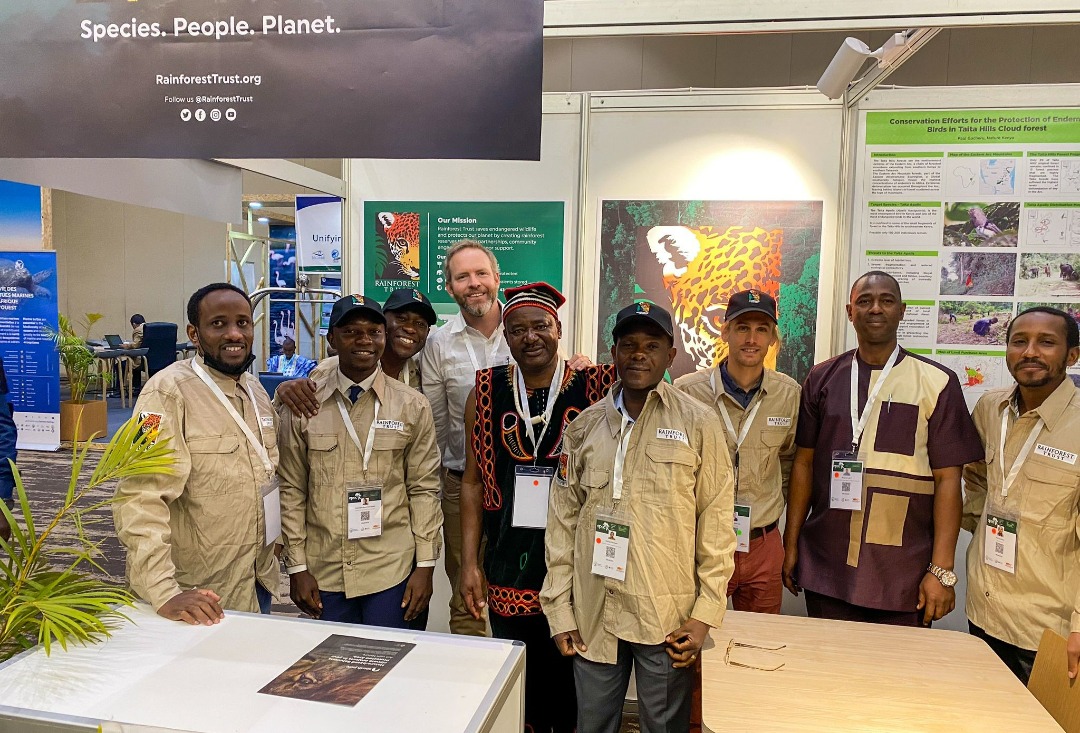
CWCS was represented by Dr Leonard Usongo, National Program Coordinator, who participated in several high-level sessions, including the Blue Action ministerial event, the sessions on blue finance for poverty reduction, exchanges among Oceans5 grantees, pathways to achieving the global 30x30 target, and sessions on protecting the high seas.
“The Mombasa conference was an important moment for Africa and for Cameroon in particular,” said Dr Leonard Usongo. “It gave us the opportunity to showcase the progress made in marine conservation, strengthen partnerships, and reaffirm the need to protect coastal ecosystems while keeping communities at the heart of Ocean action.”
One of the major outcomes of the conference was the announcement of 320 new commitments valued at US$6.4 billion to advance Ocean conservation, climate resilience, sustainable fisheries and coastal community empowerment.
Mombasa Declaration
Cameroon also joined 15 national governments from Africa, Asia, the Caribbean, Europe and the Pacific in adopting the Mombasa Declaration, committing to advance fisheries transparency and strengthen the fight against illegal, unreported and unregulated fishing. CWCS is a member of the Coalition for Fisheries Transparency, which helped advance the declaration and continues to support global action against illegal fishing.
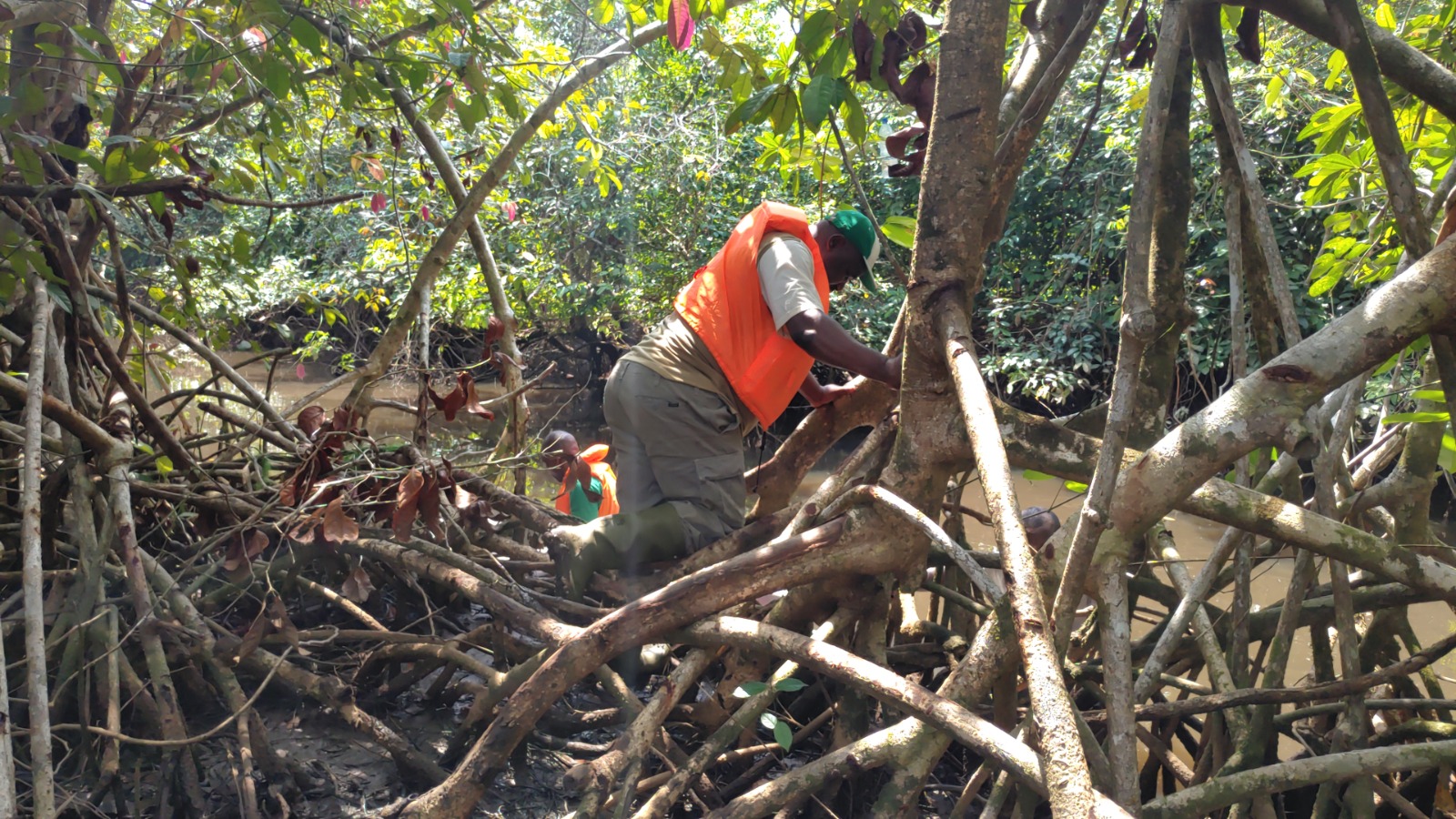
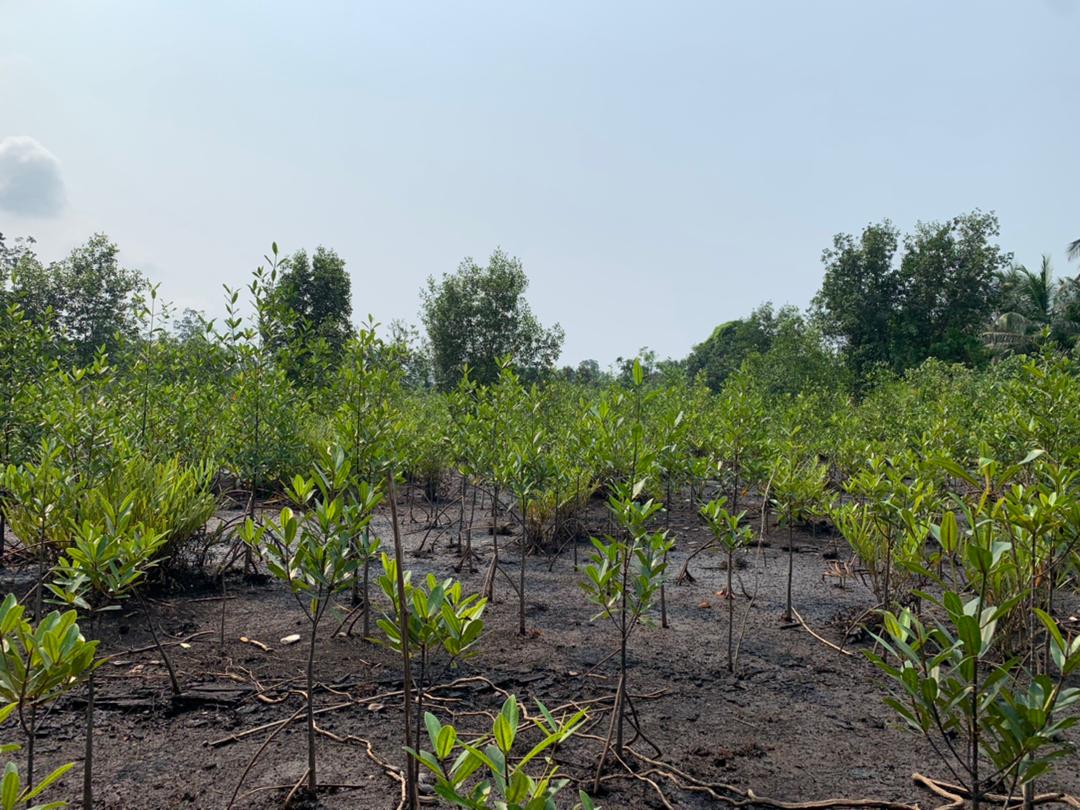
CWCS showcased major conservation gains achieved in Cameroon over the past 8 years. These include technical support to the Government of Cameroon for the creation of two marine protected areas: Douala-Edea, covering 262,935 hectares, and Manyange na Elombo-Campo, covering 110,300 hectares.
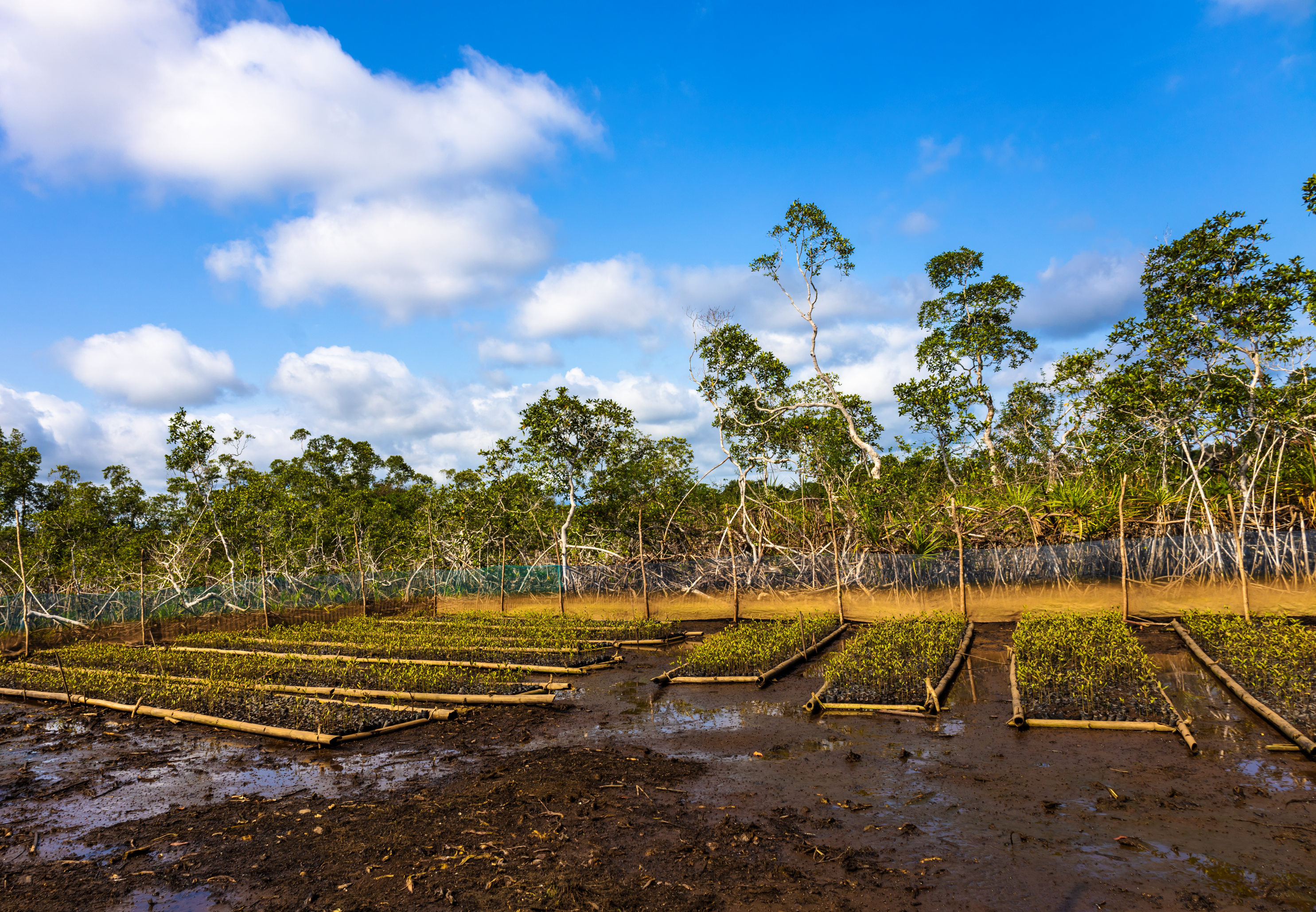
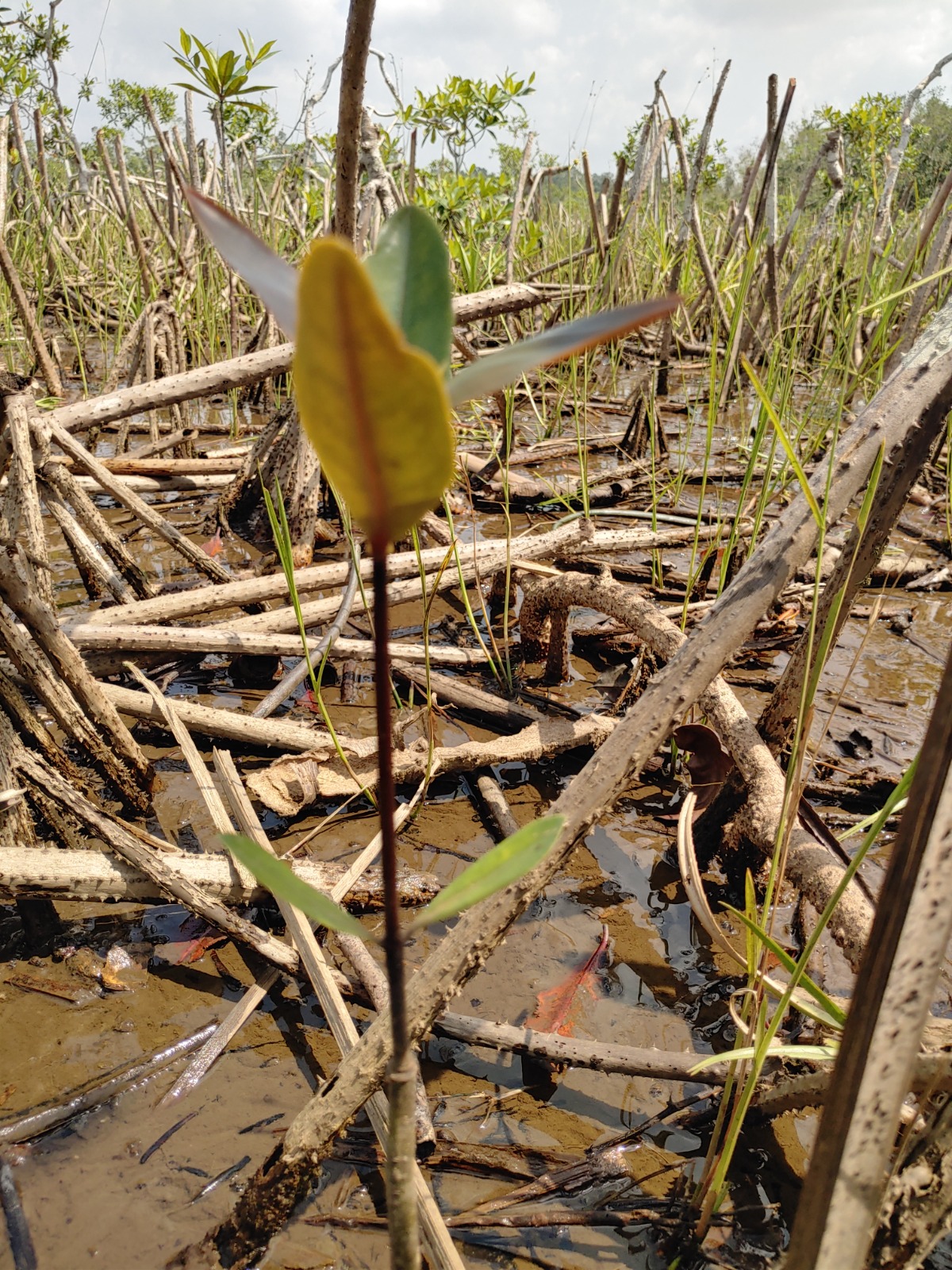
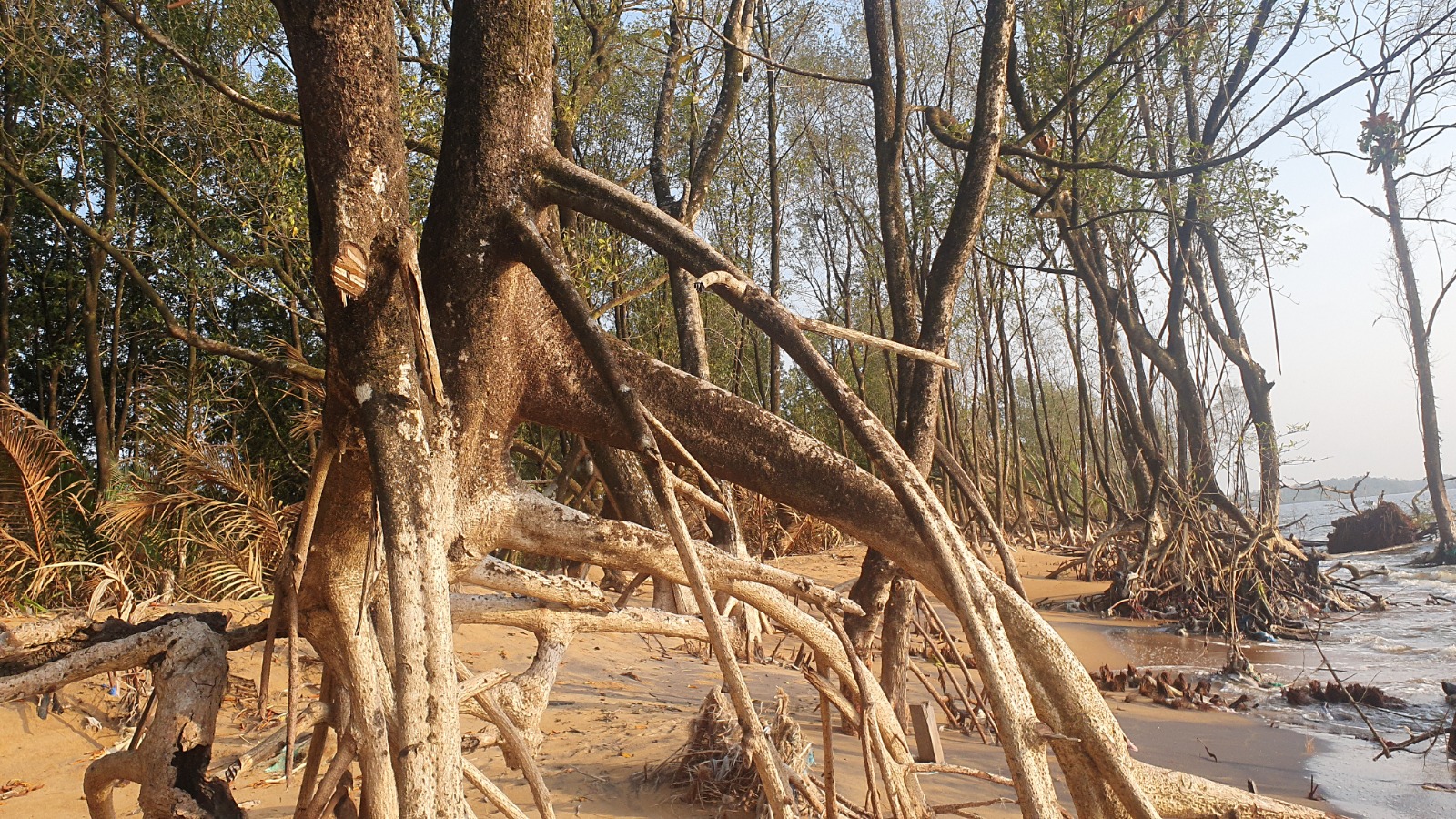
A third site, Rio Del Rey, covering about 121,631 hectares, is in the pipeline. It represents the largest continuous block of mangrove forests along the West and Central African coastline and contains more than half of Cameroon’s mangrove ecosystems.
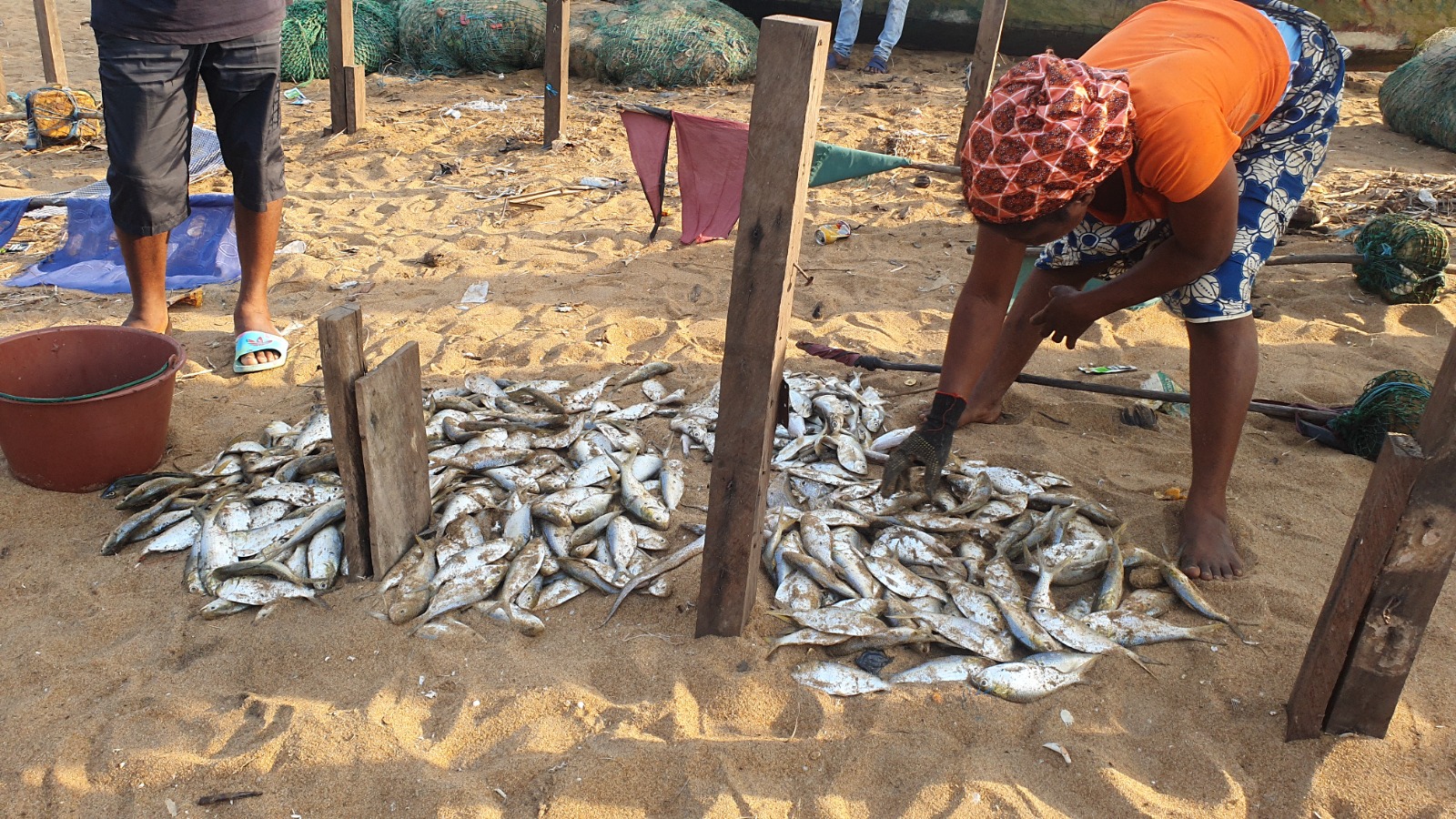
CWCS has also worked with fishing communities to identify more than 35 Other Effective Area-Based Conservation Measures (OECM) across Cameroon’s 400-kilometre Atlantic coast, covering 43,932 hectares. These areas are awaiting official government recognition.