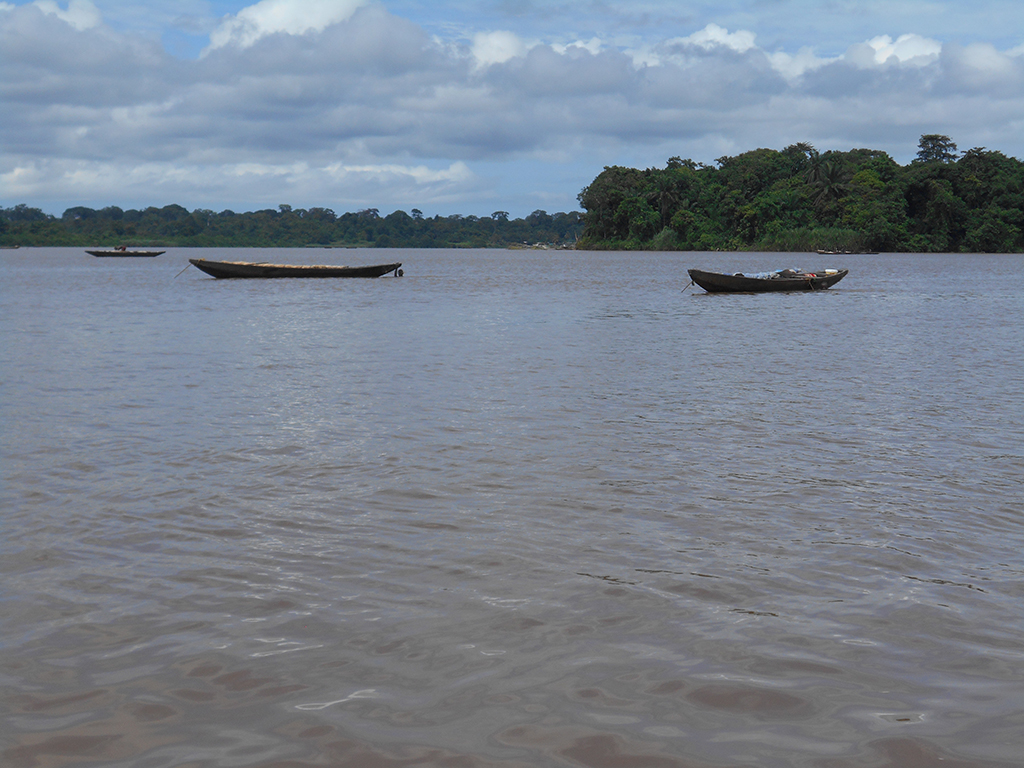
Cameroon has taken a major step towards stronger ocean protection with the government’s approval of national directives for the creation and management of marine protected areas (MPAs). The new rules give the country a clear framework to plan and manage MPAs and other area-based conservation measures along its Atlantic coast.
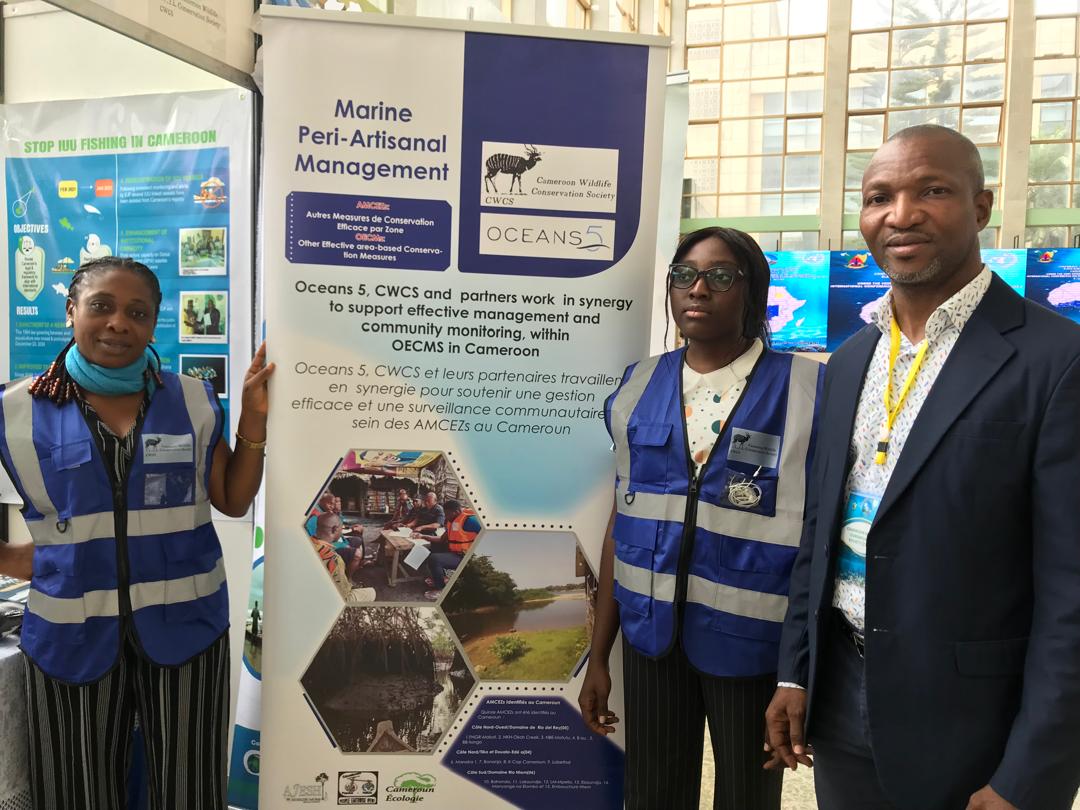
This crowns years of work led by the Cameroon Wildlife Conservation Society (CWCS) and its consortium partners, with crucial financial support and strategic guidance from Oceans5. It paves the way to complete the management plan of Douala-Edéa National Park, move ahead with the gazettement of Ndongore and Mayange na Elombo national parks, and clarify marine boundaries for the existing network of protected areas.
The next step is a high-level meeting between CWCS management and the central services of the Ministry of Forestry and Wildlife (MINFOF) to agree how the directives will be put into practice. Clear procedures, roles and timelines will be essential to move quickly from legal text to real change on the water.
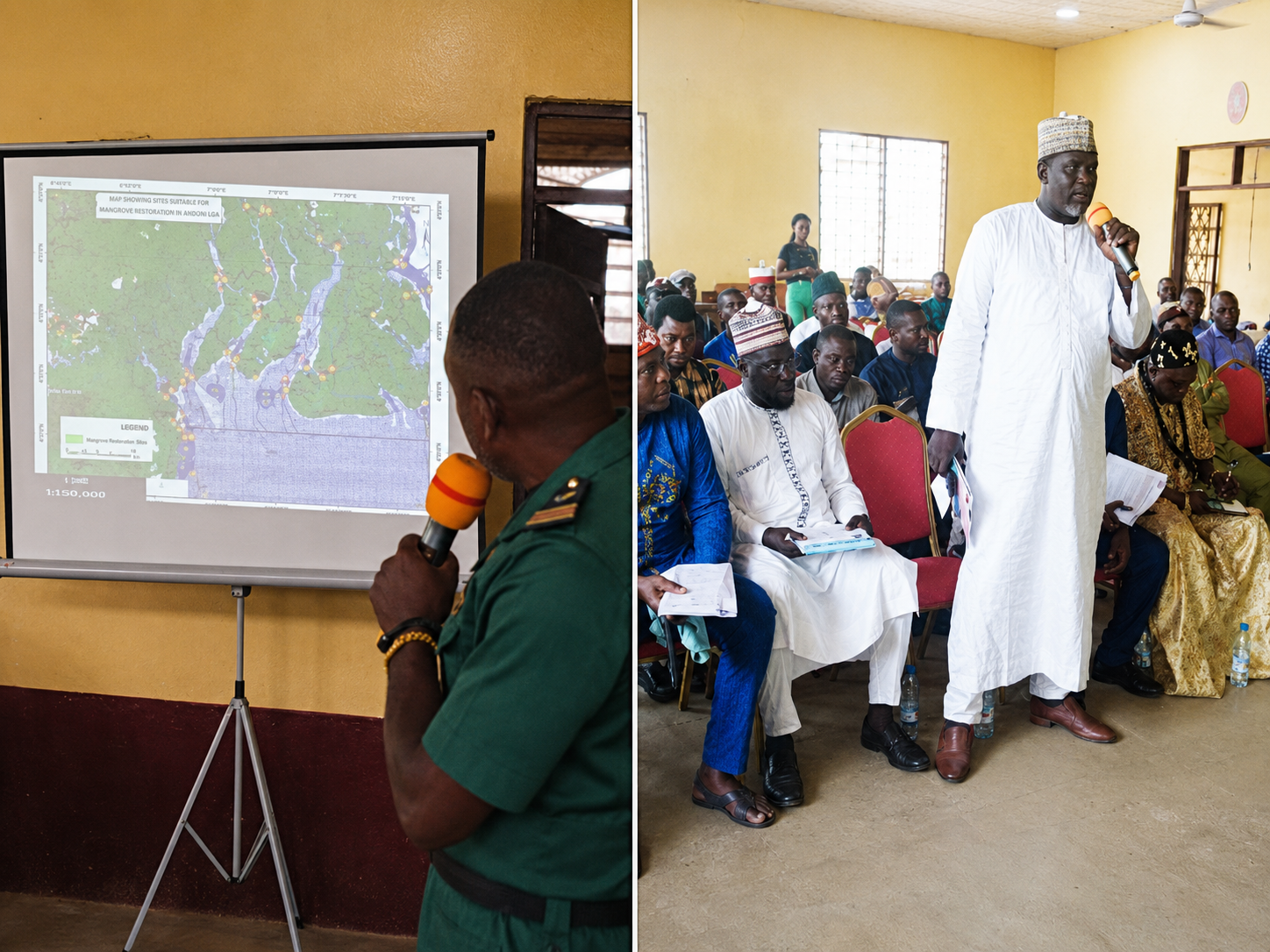
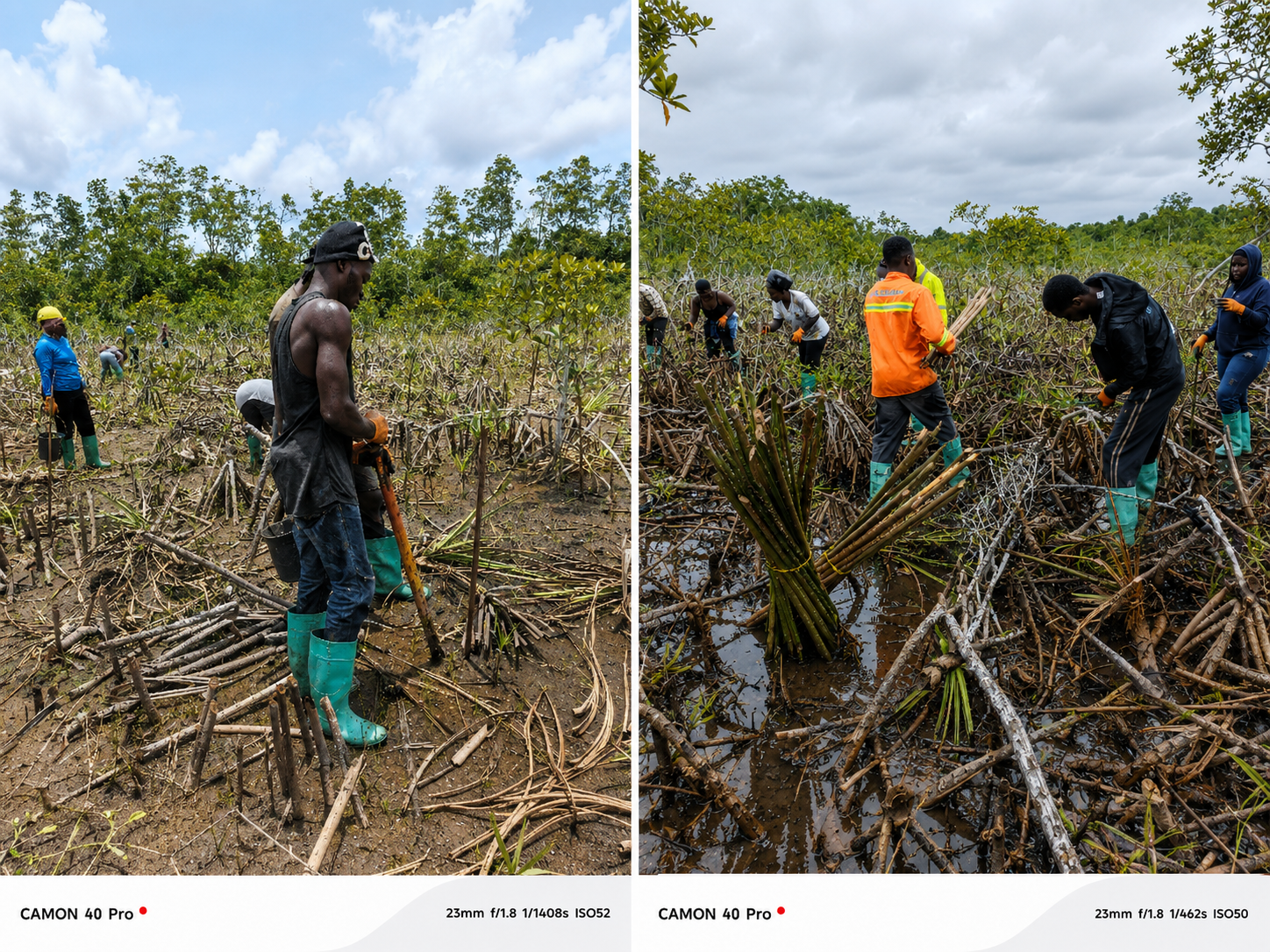
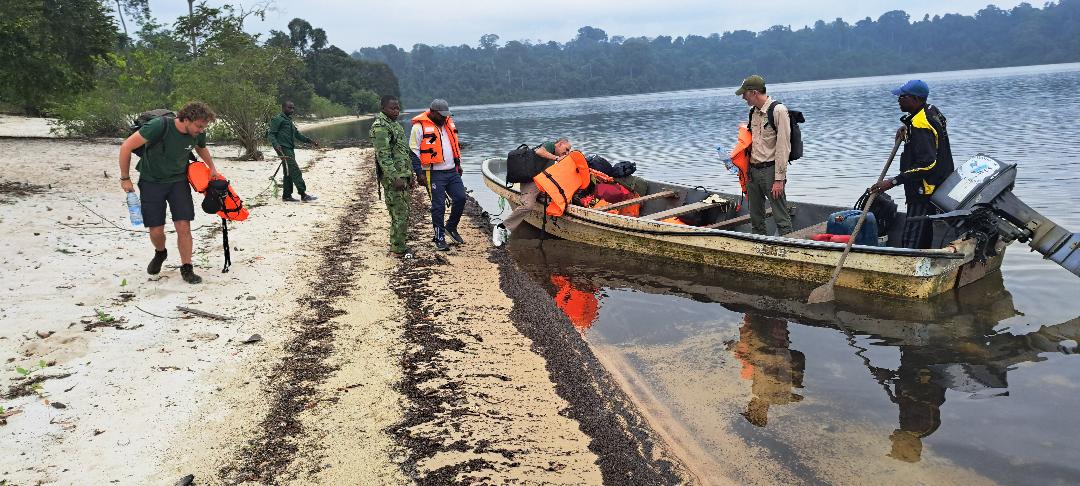
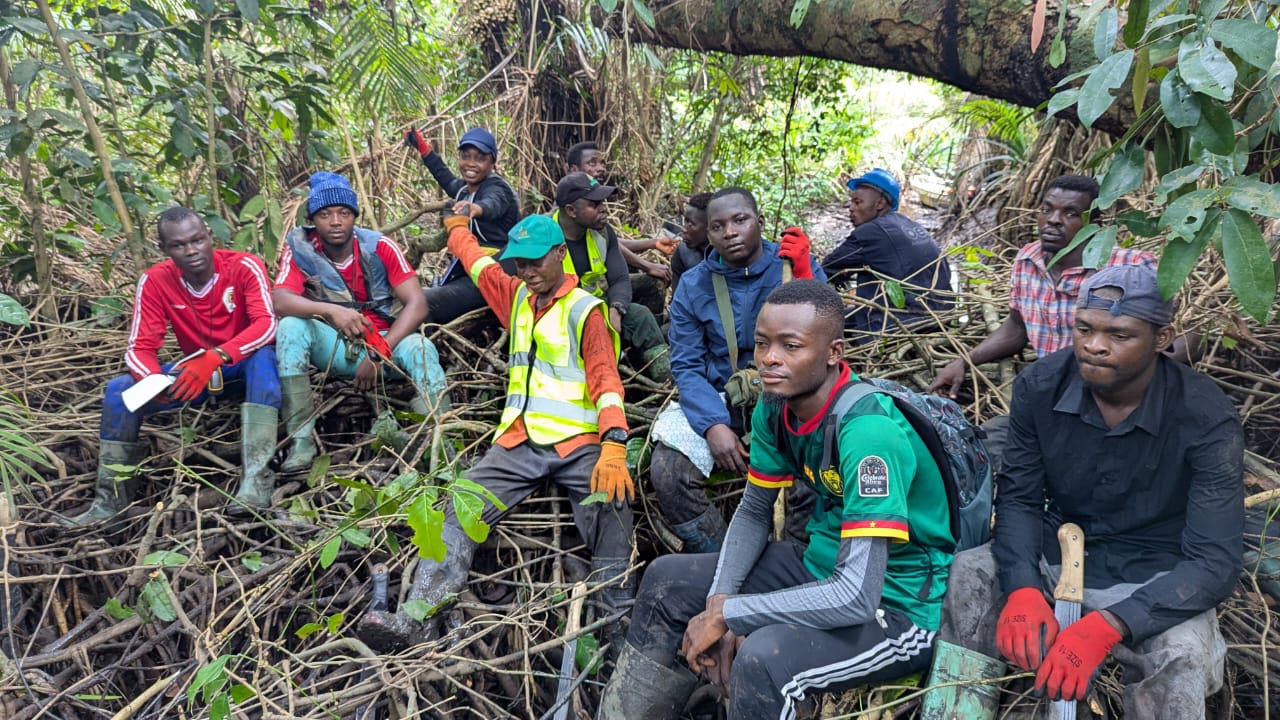
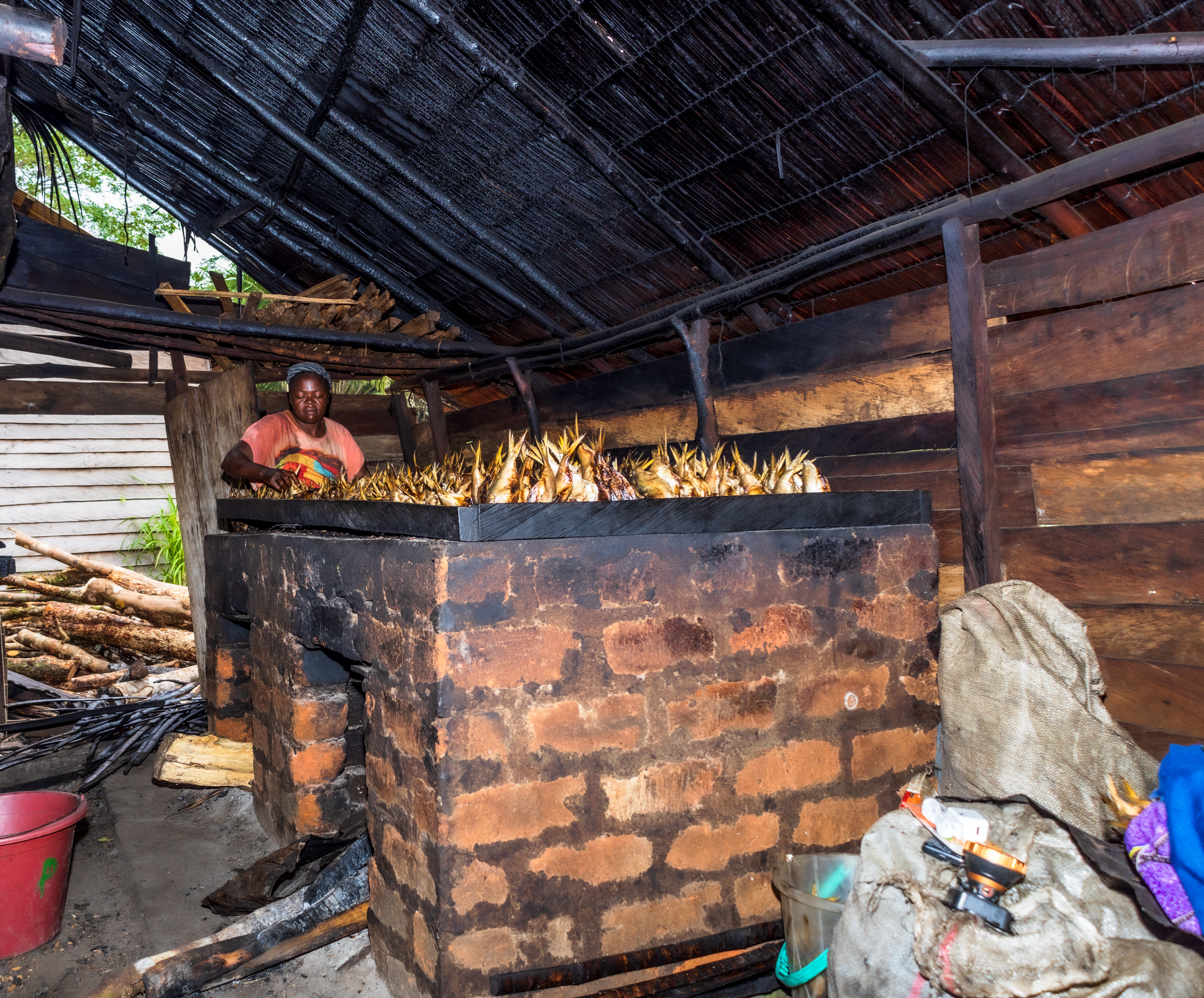
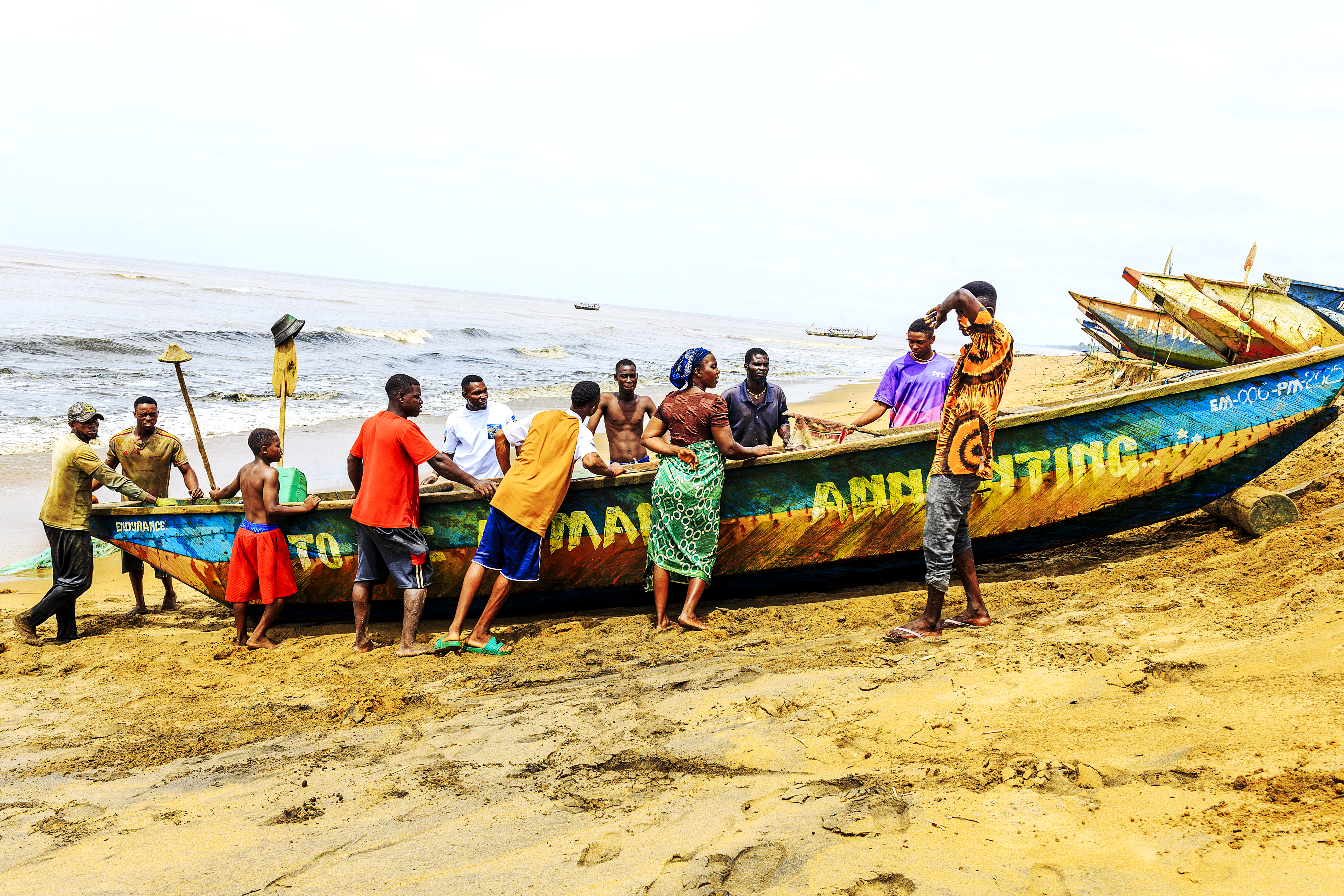
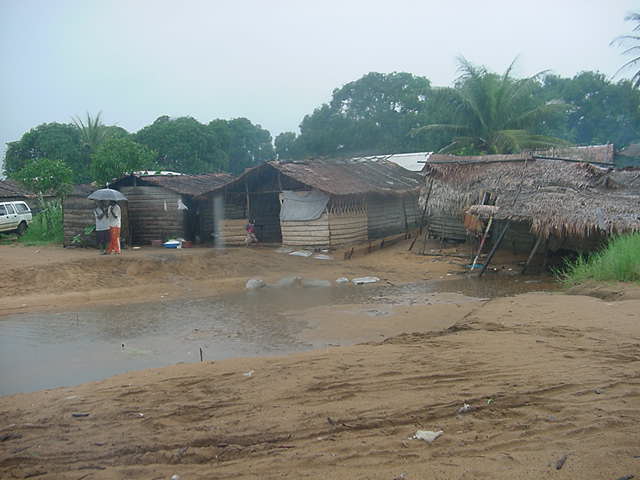
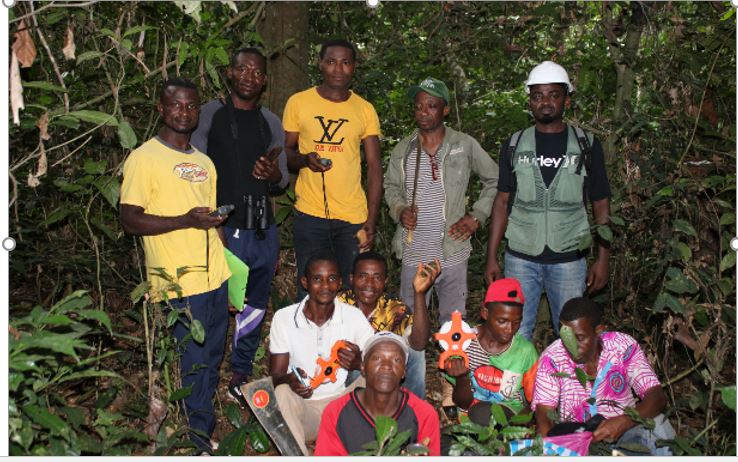
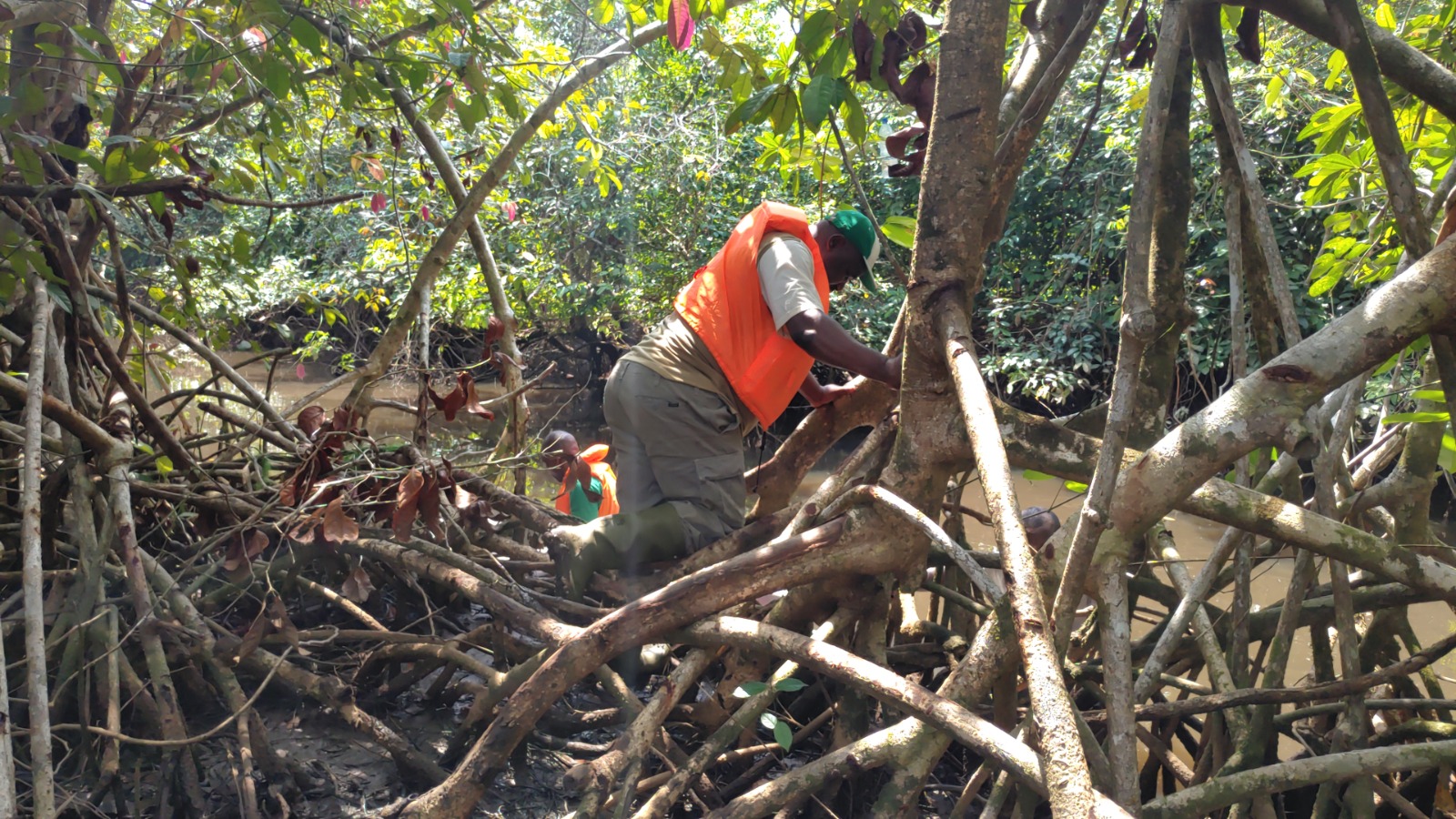
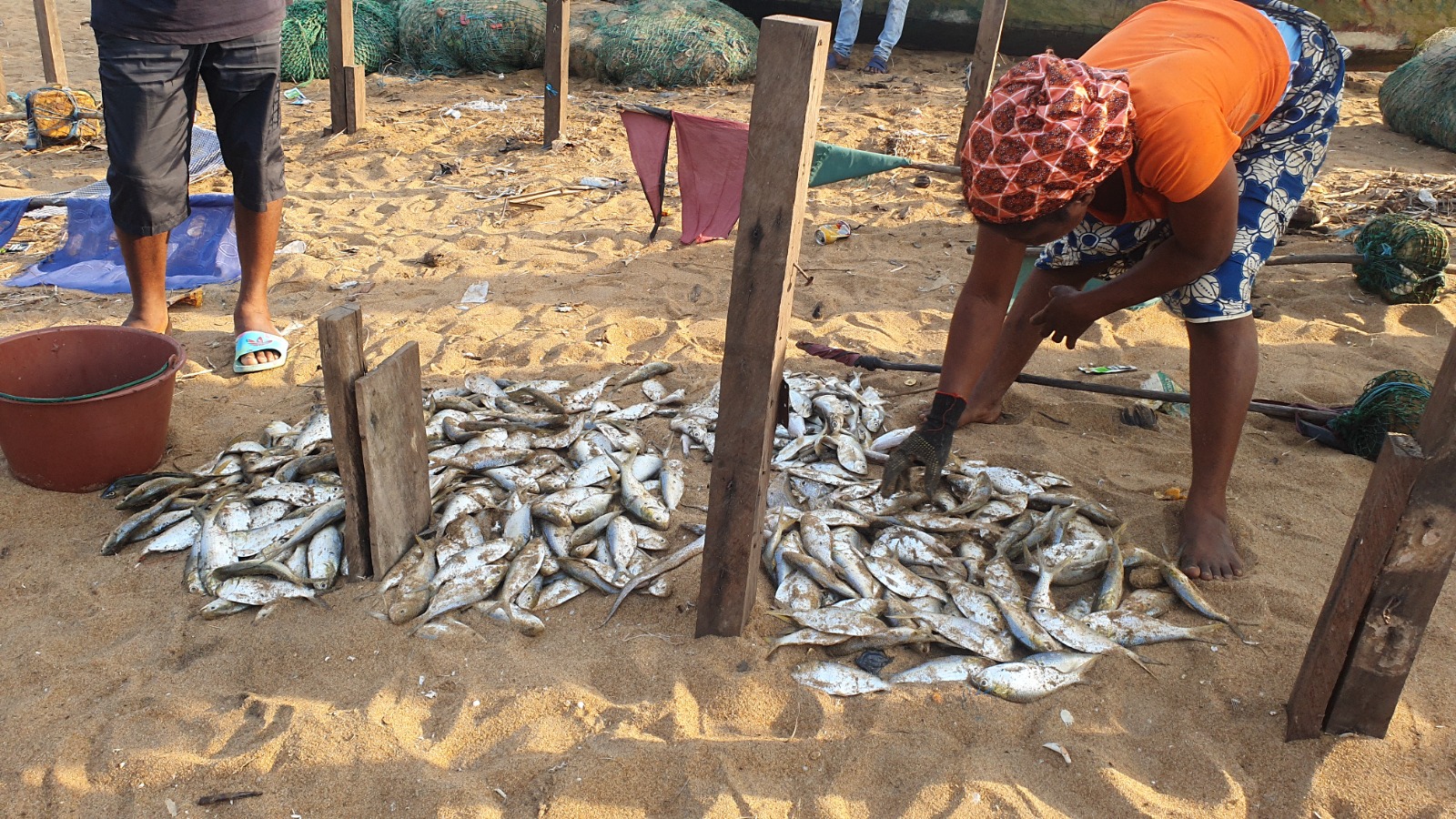
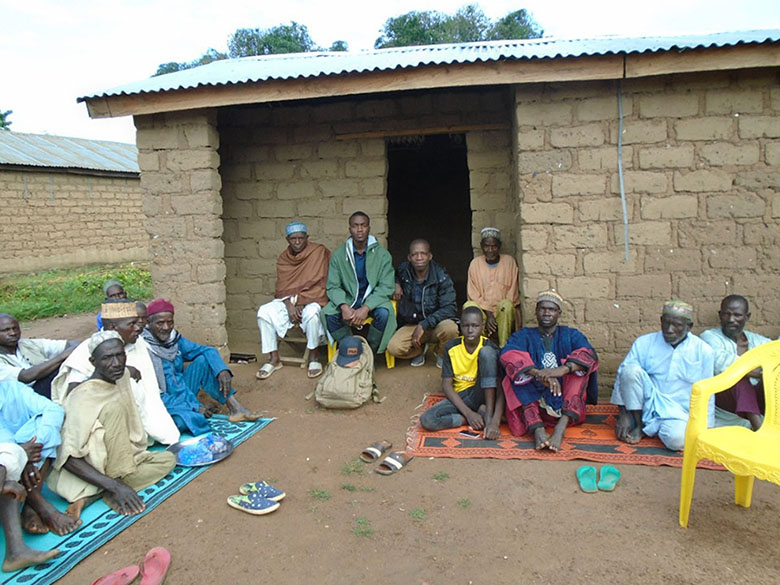
In parallel, CWCS field teams, working with the Cameroon Mangrove Network and other partners, will intensify outreach with riverine communities, fishers and local authorities. They will explain the importance of the new MPA directives, what they mean for access and use of marine resources, and how local stakeholders can participate in governance and benefit from better managed fisheries and healthier ecosystems.
At the same time, the Minister of Forestry and Wildlife has submitted a draft decree on Other Effective Area-based Conservation Measures (OECMs) to the Prime Minister. Once adopted, this will allow Cameroon to recognise and support community-managed and co-managed areas that already deliver strong conservation results, even if they are not formal protected areas.
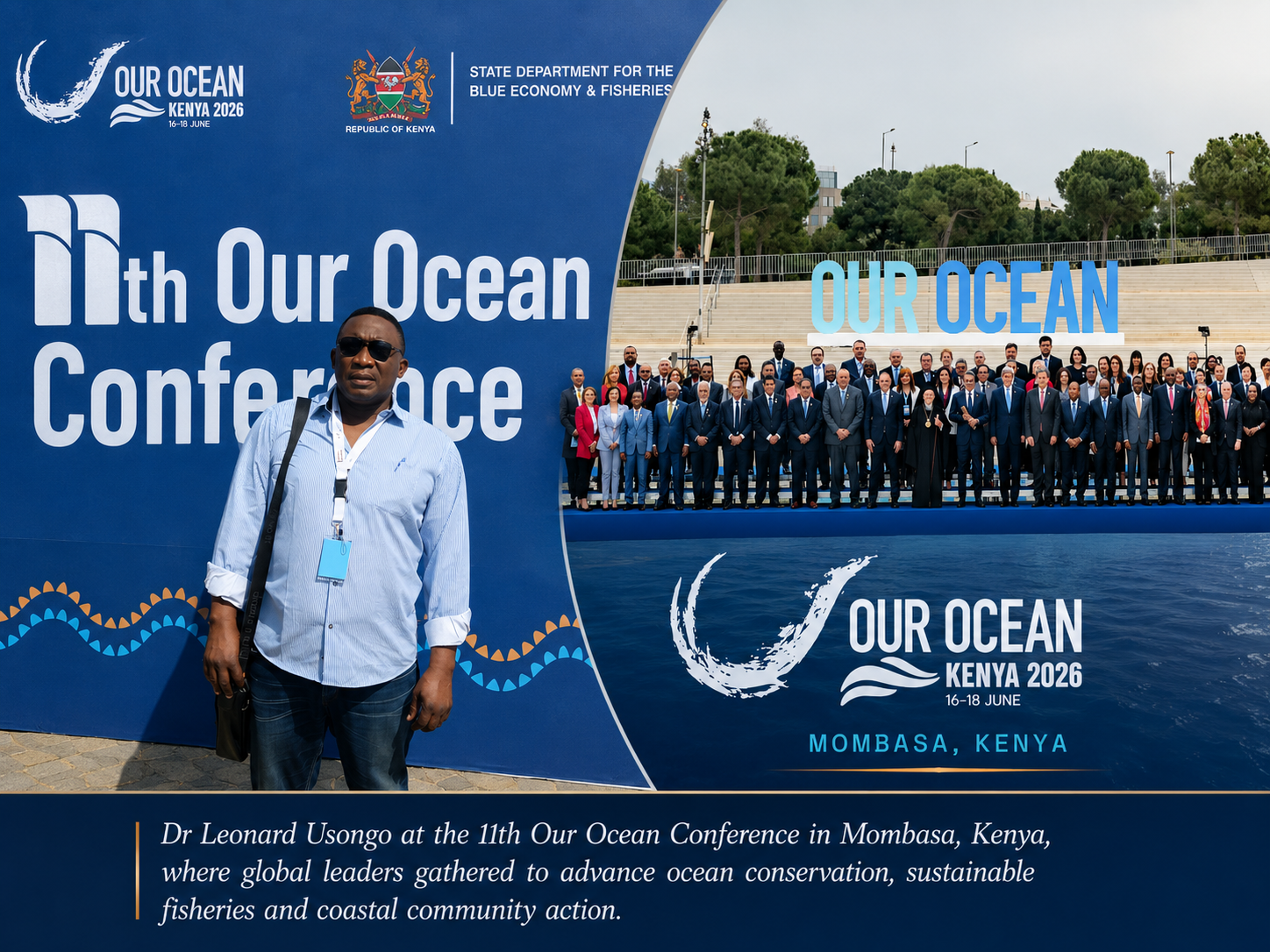
“It has been a long and difficult road working on these dossiers with government services, but this is a transformative moment for Cameroon’s ocean,” says Dr Leonard Usongo, National Coordinator of CWCS. “Thanks to the support of Oceans5 and our partners, we now have the legal compass to protect key marine sites like Douala-Edéa, Ndongore and Mayange na Elombo, while empowering coastal communities to be co-guardians of our blue heritage.”