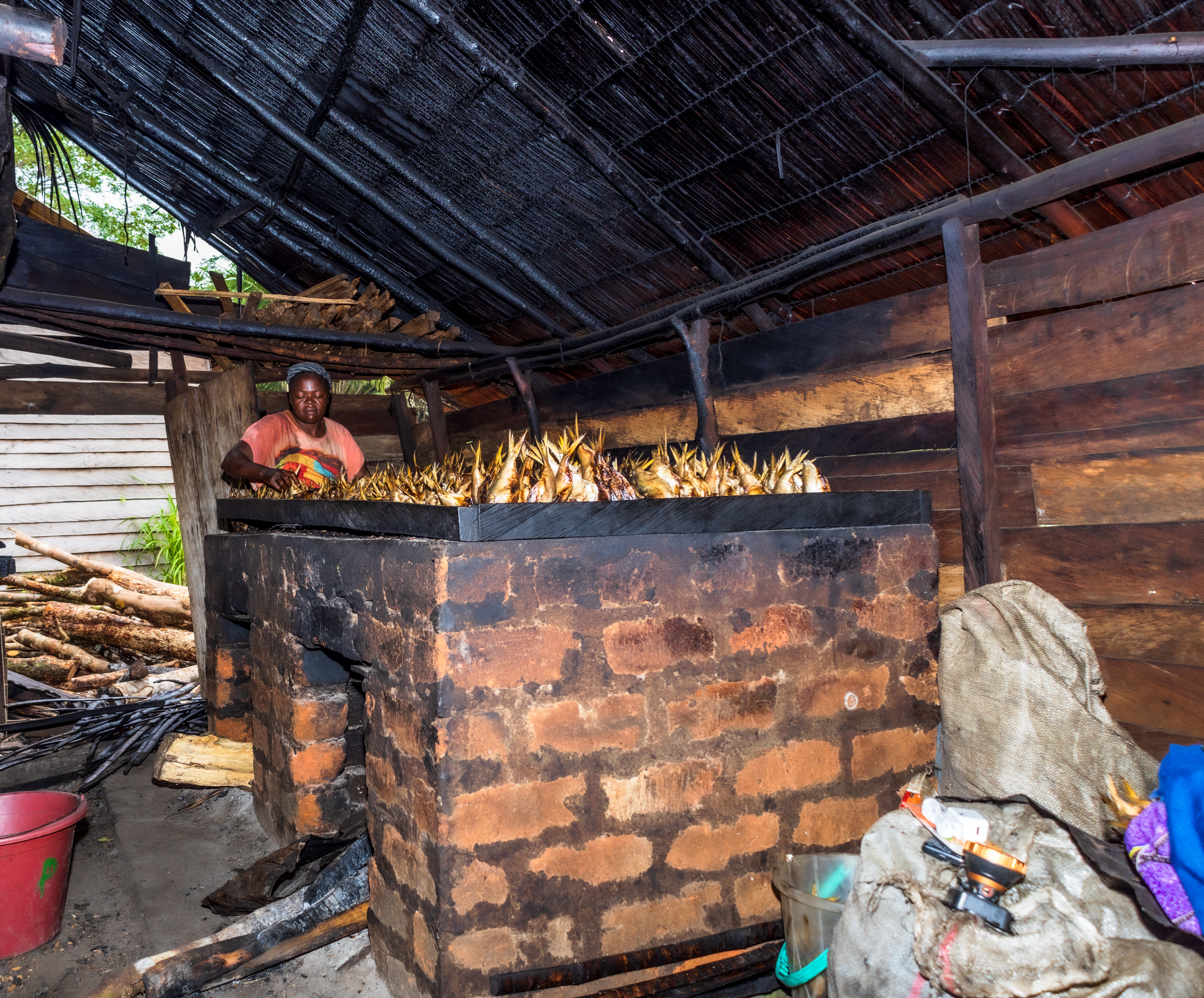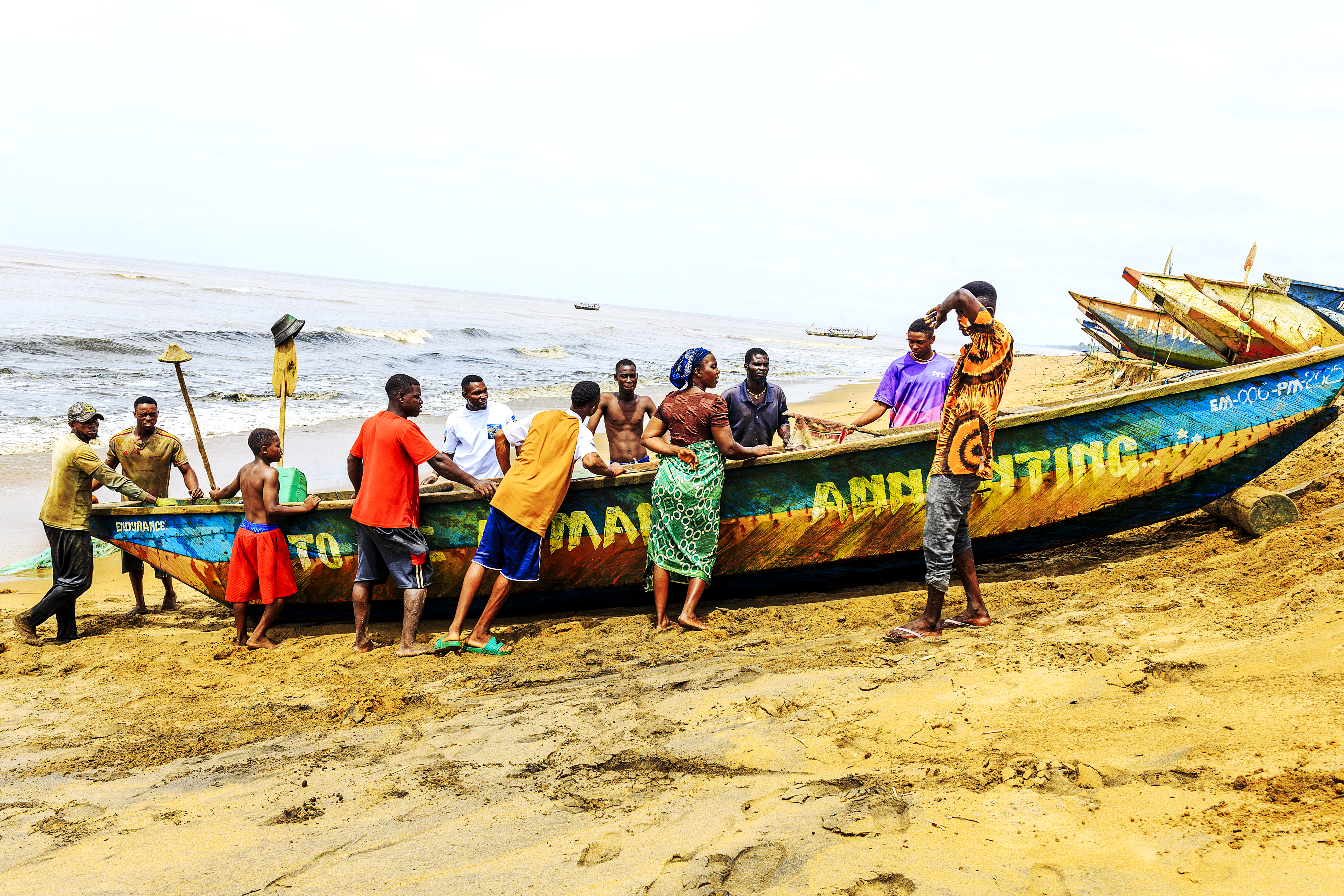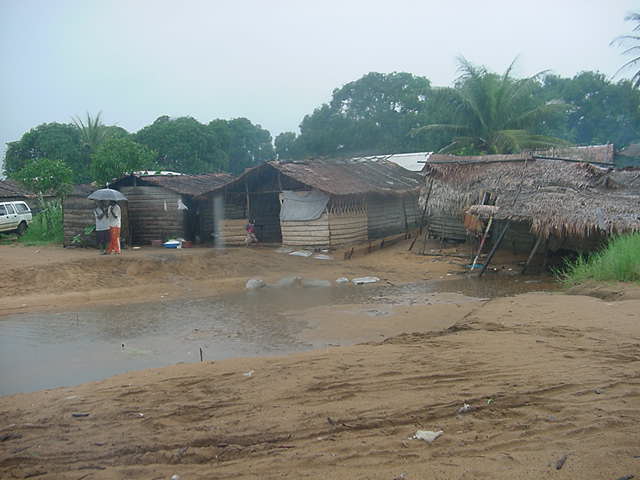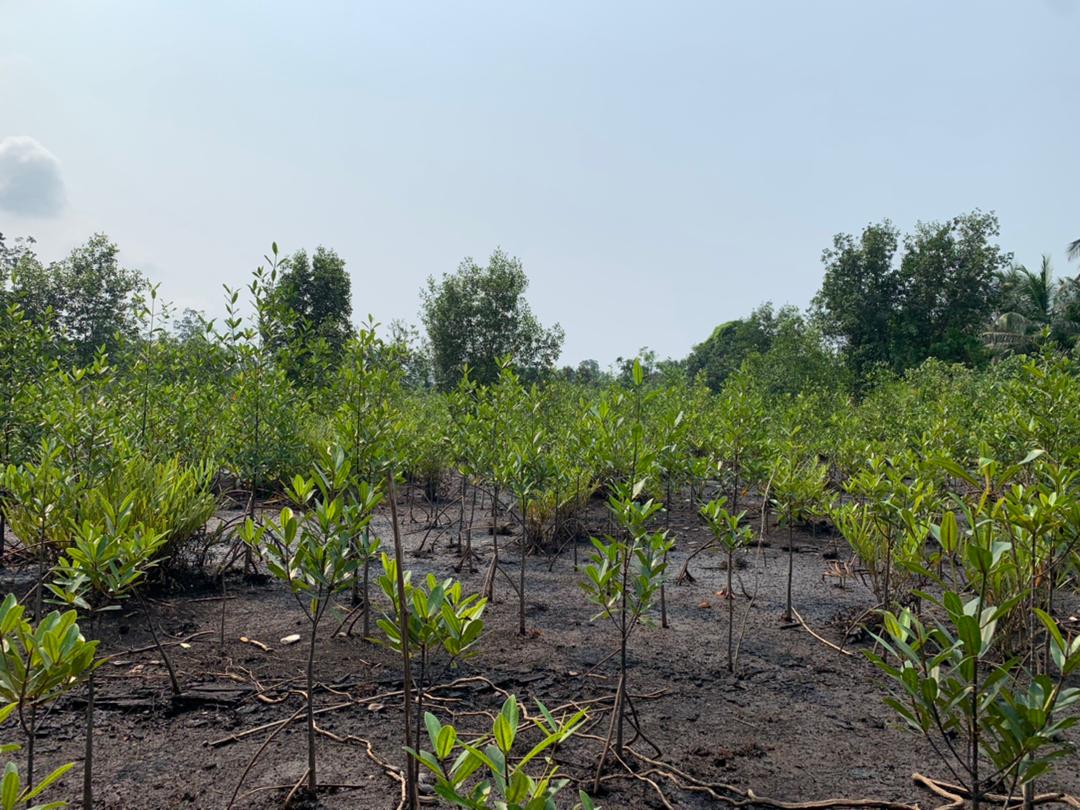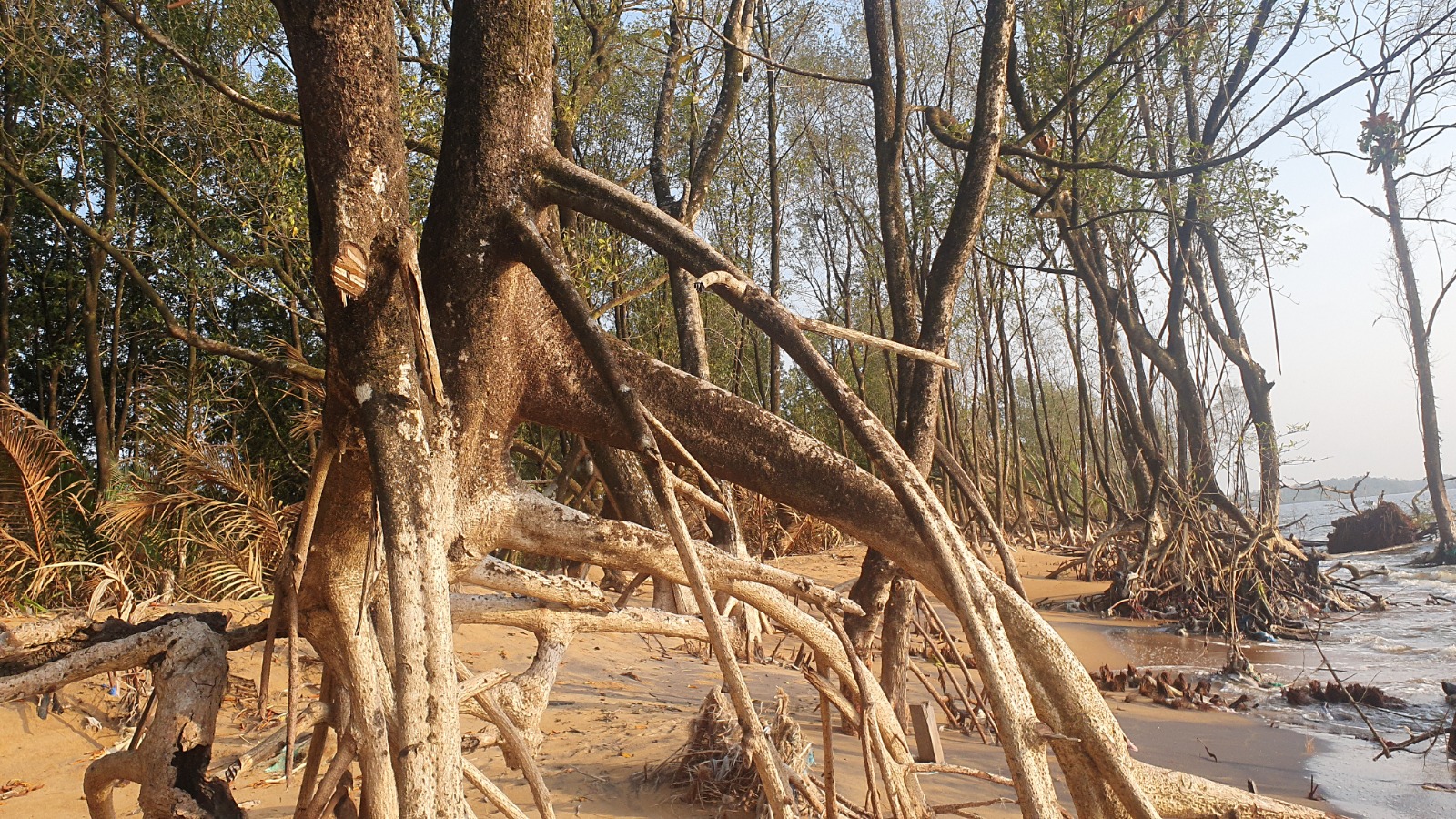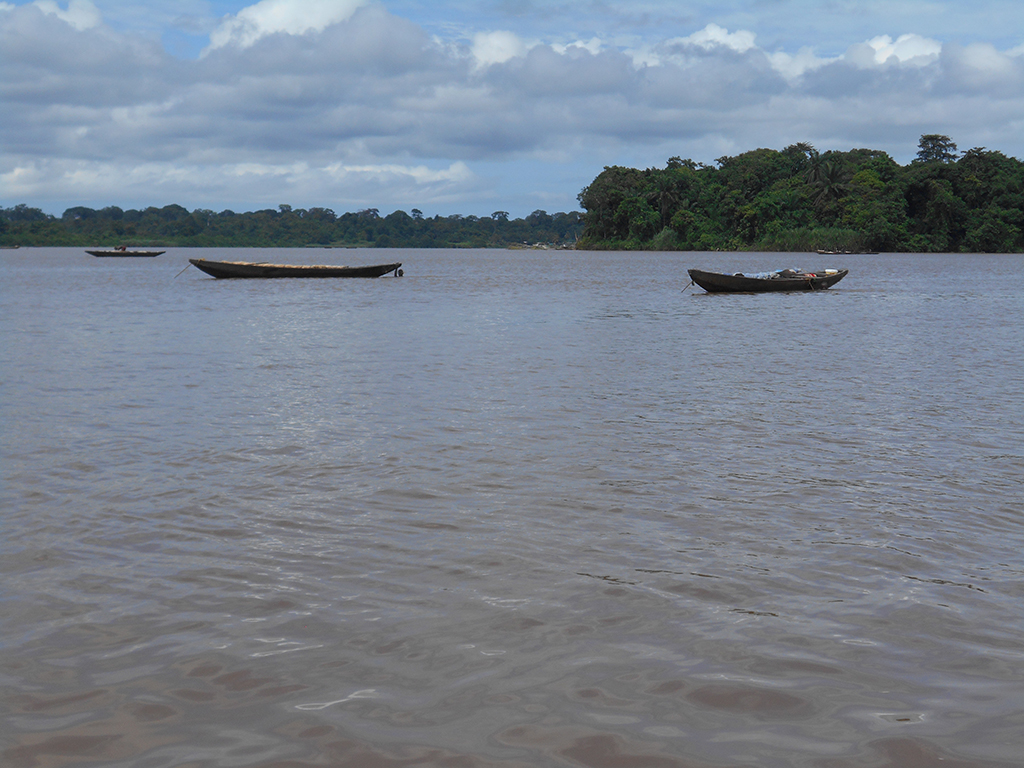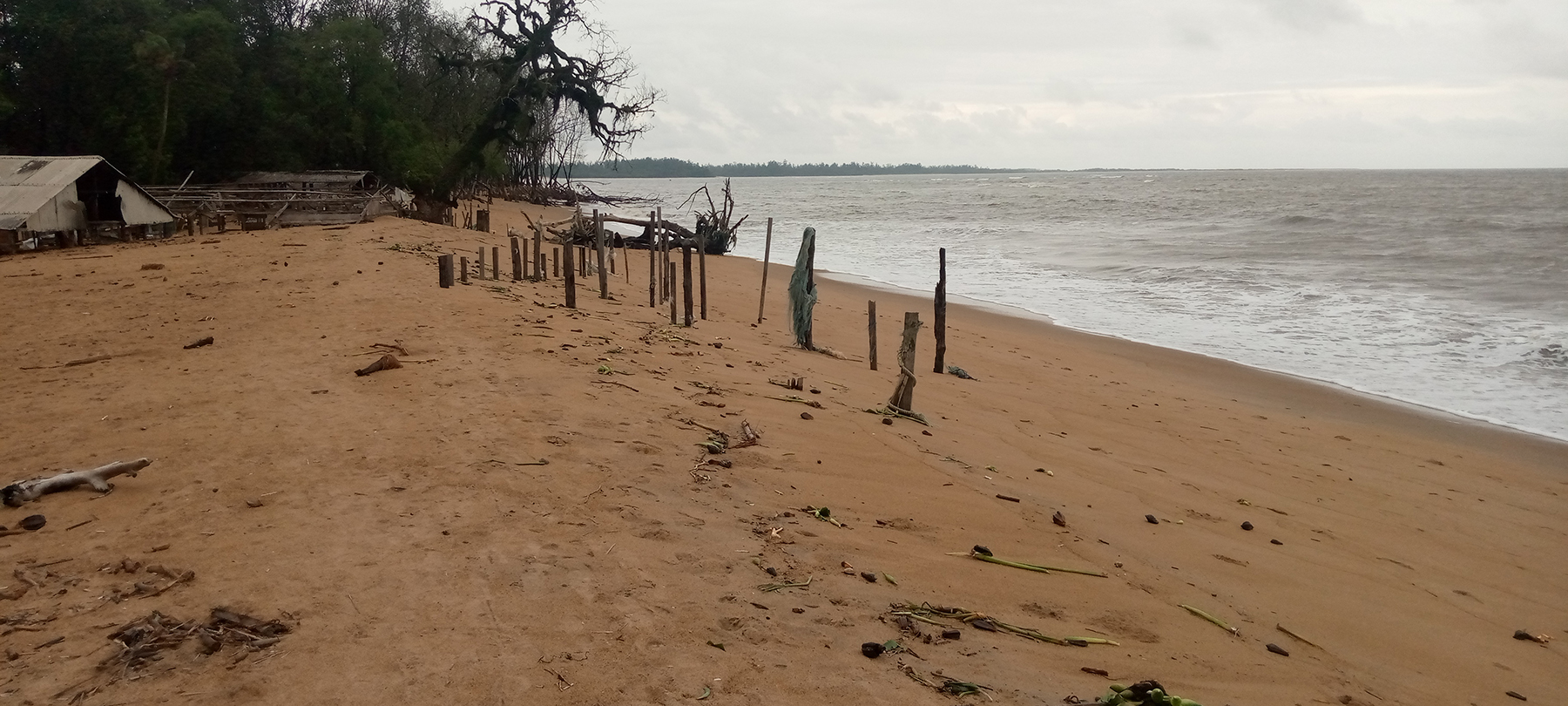
Close to Douala, the fast-growing economic hub of Cameroon, the municipality of Dibombari is home to predominantly Sawa communities whose livelihoods rely largely on fishing and subsistence farming, especially cassava and plantain. As pressure on land and natural resources grows, local leaders have been looking for practical ways to diversify incomes while safeguarding forests and wildlife.
That opportunity is taking shape through the Dibombari Community Forest, a 5,000-hectare area officially allocated to the community to promote local participation in sustainable natural resource management. Community forestry can generate local revenues from timber and non-timber forest products, but only when it is guided by reliable data, strong governance, and clear rules that prevent overexploitation.
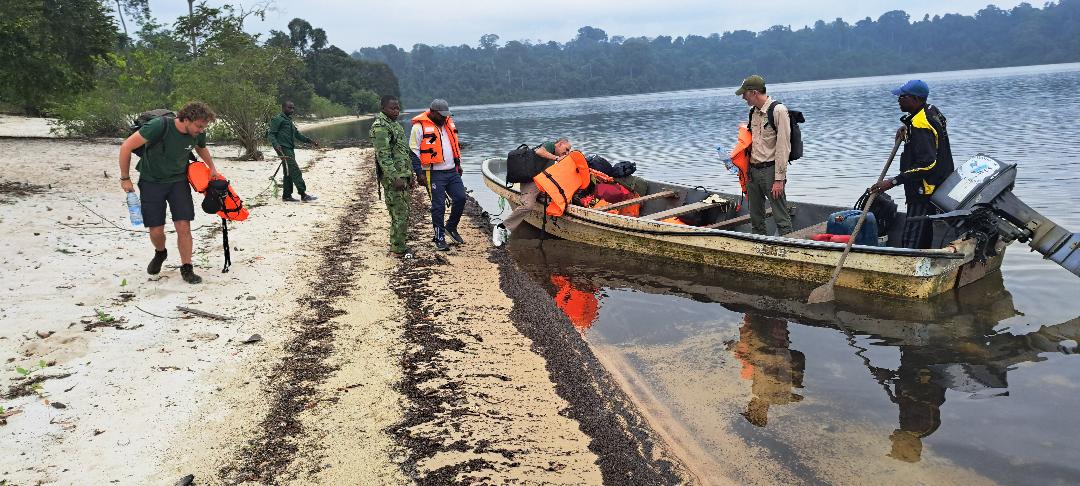
With support from the CAMERR project, CWCS is providing technical assistance to help Dibombari communities carry out a multi-resource forest inventory—a critical step toward developing an approved management plan. CAMERR is funded by Orange France International and implemented by a consortium of local partners, largely drawn from the Cameroon Mangrove Network.
Ms Ndelle Lizette, CWCS sociologist leading the inventory team said, “Community forestry only works when decisions are based on data and when communities have the skills and structures to manage resources transparently and sustainably.”
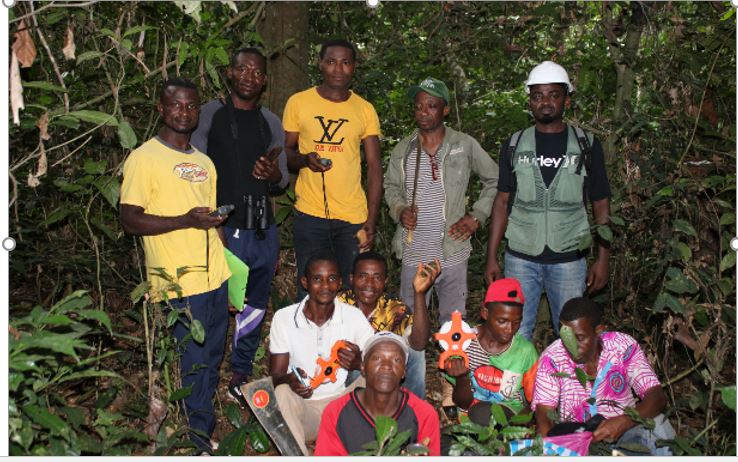
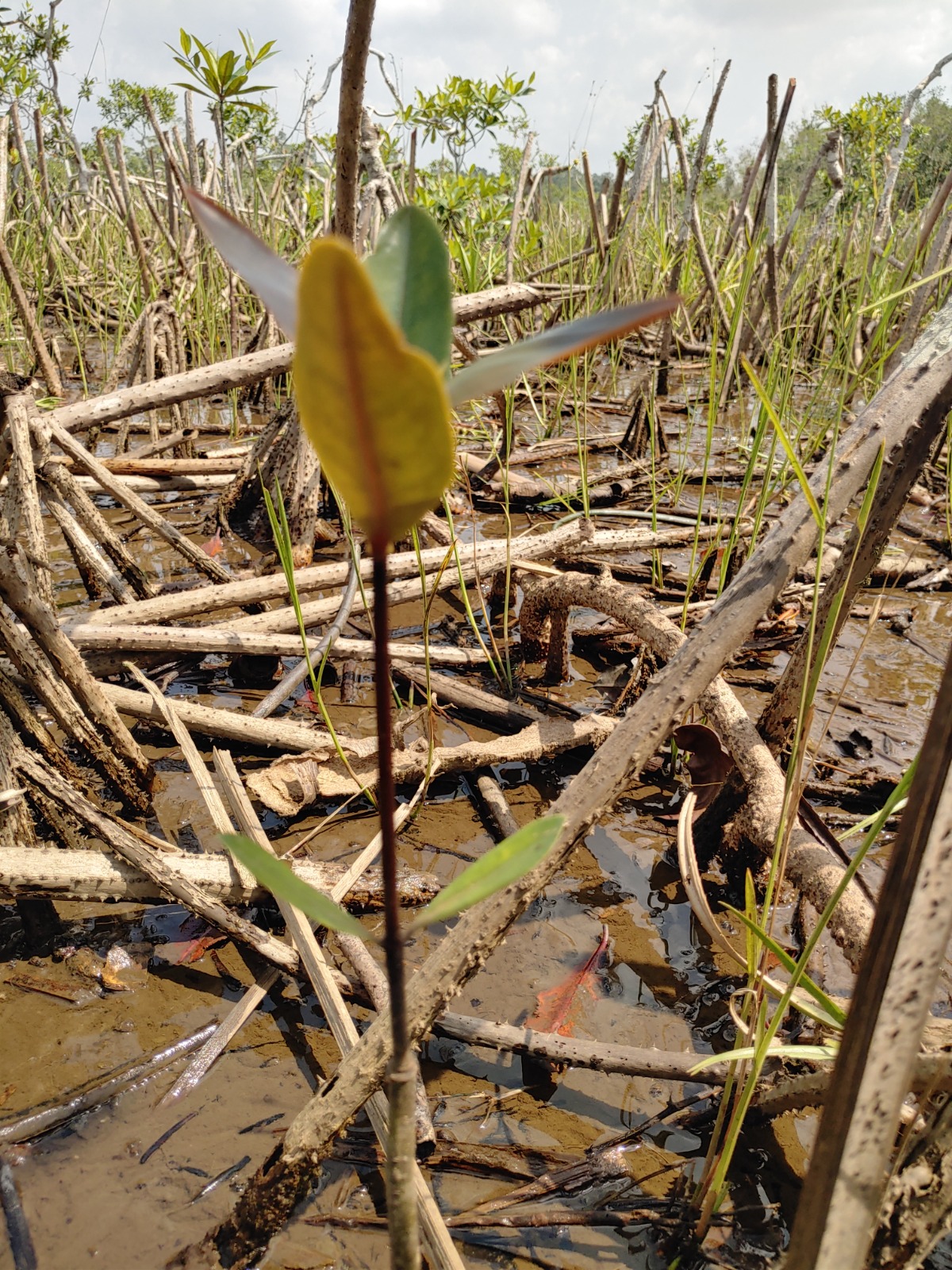
The inventory is designed to generate the evidence needed for long-term, community-led management estimates of timber stocks, guidance for low-impact harvesting practices, and mapping of priority non-timber forest products such as medicinal plants. The study will also help document the presence of wildlife species and identify threats affecting the forest biodiversity.
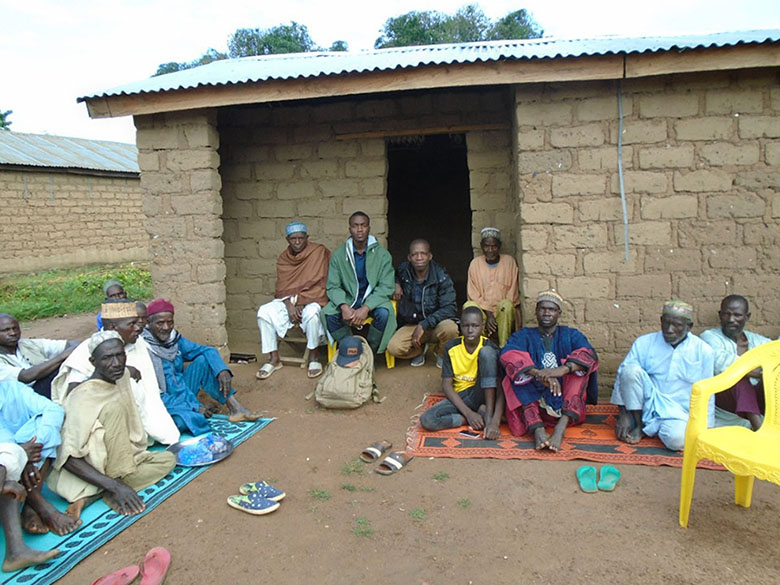
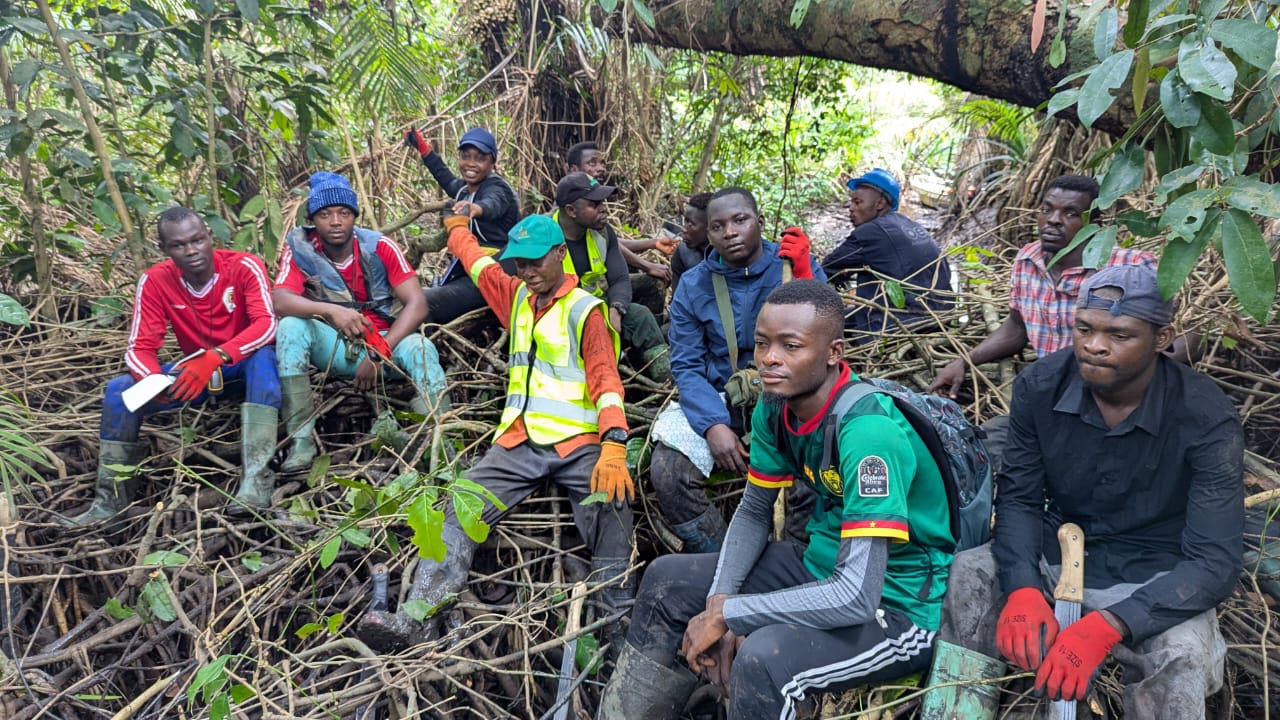
A defining feature of the work has been community participation, including the recruitment of local youth who supported data collection and shared field knowledge on resource use and emerging pressures. This approach strengthens local ownership of results, builds technical skills in the villages, and helps ensure that future decisions, such as where to harvest, what to protect, and how benefits are shared, align with community priorities.
According to one of the village chiefs, “This inventory is helping them understand what they have, what they must protect, and how they can use our forest responsibly to support families and the future.”
Next steps after the inventories will focus on translating survey data to develop community forest management plan that sets out harvesting rules, conservation measures, and an investment framework for revenues generated from legal forest use.