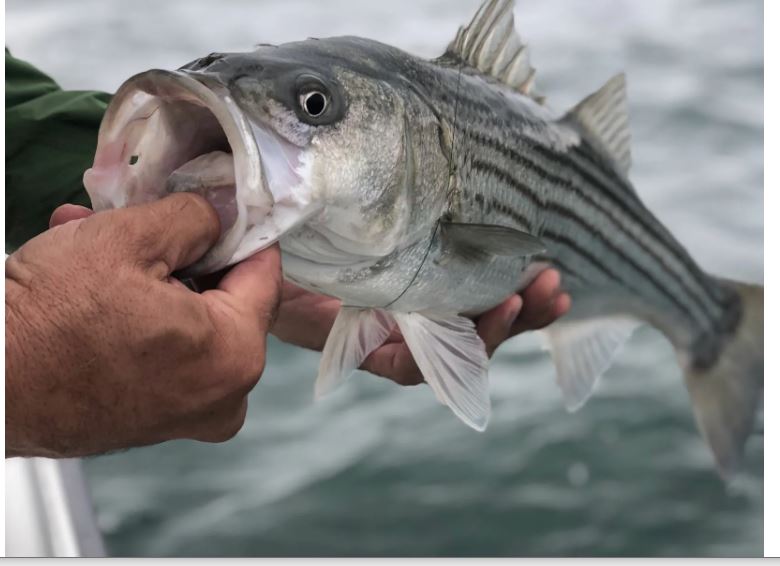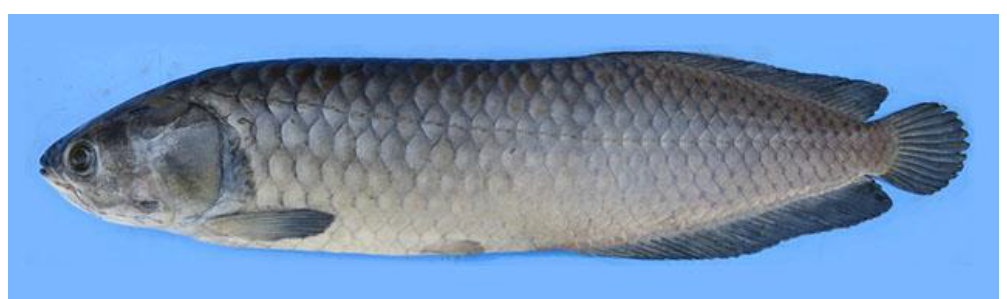
A rapid biodiversity survey in and around Douala–Edéa National Park has documented 48 small fish species in the park’s brackish and freshwater habitats, showing that this coastal landscape holds far more aquatic life than many people realize.
Even more striking, the assessment recorded at least two “remarkable” finds during the short field visit: a Poropanchax fish from Lac Tissongo that is most likely new to science, and Eleotris cf. feai from the Ebomé stream area that may be a new record for Cameroon.
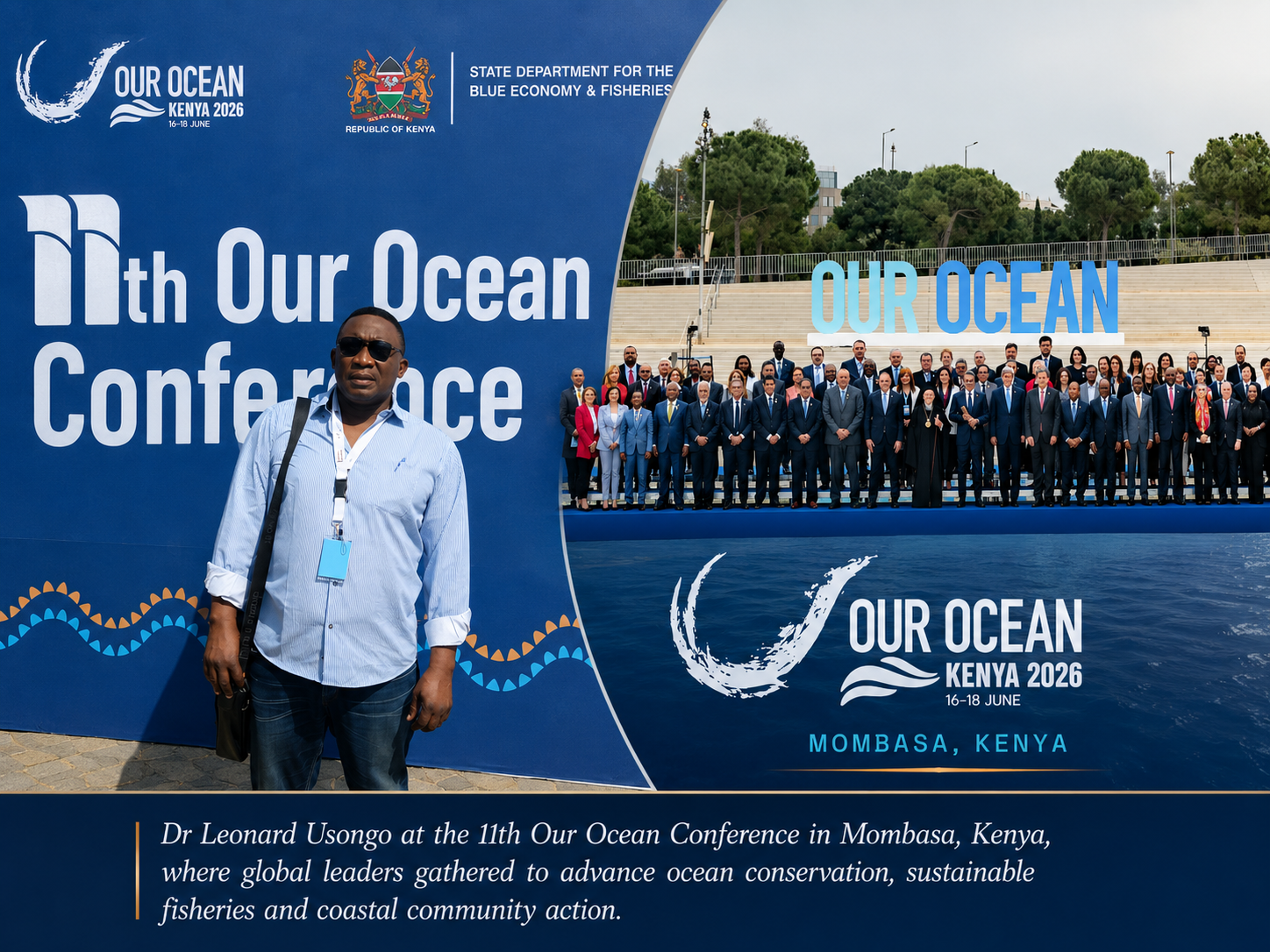
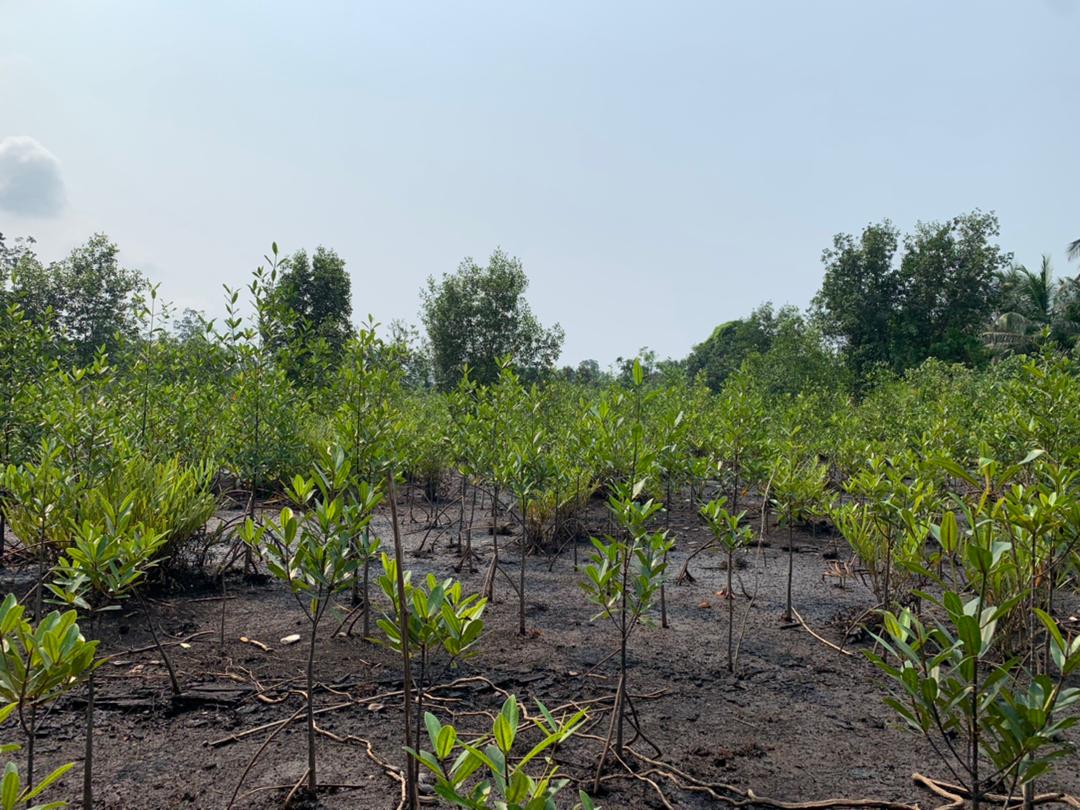
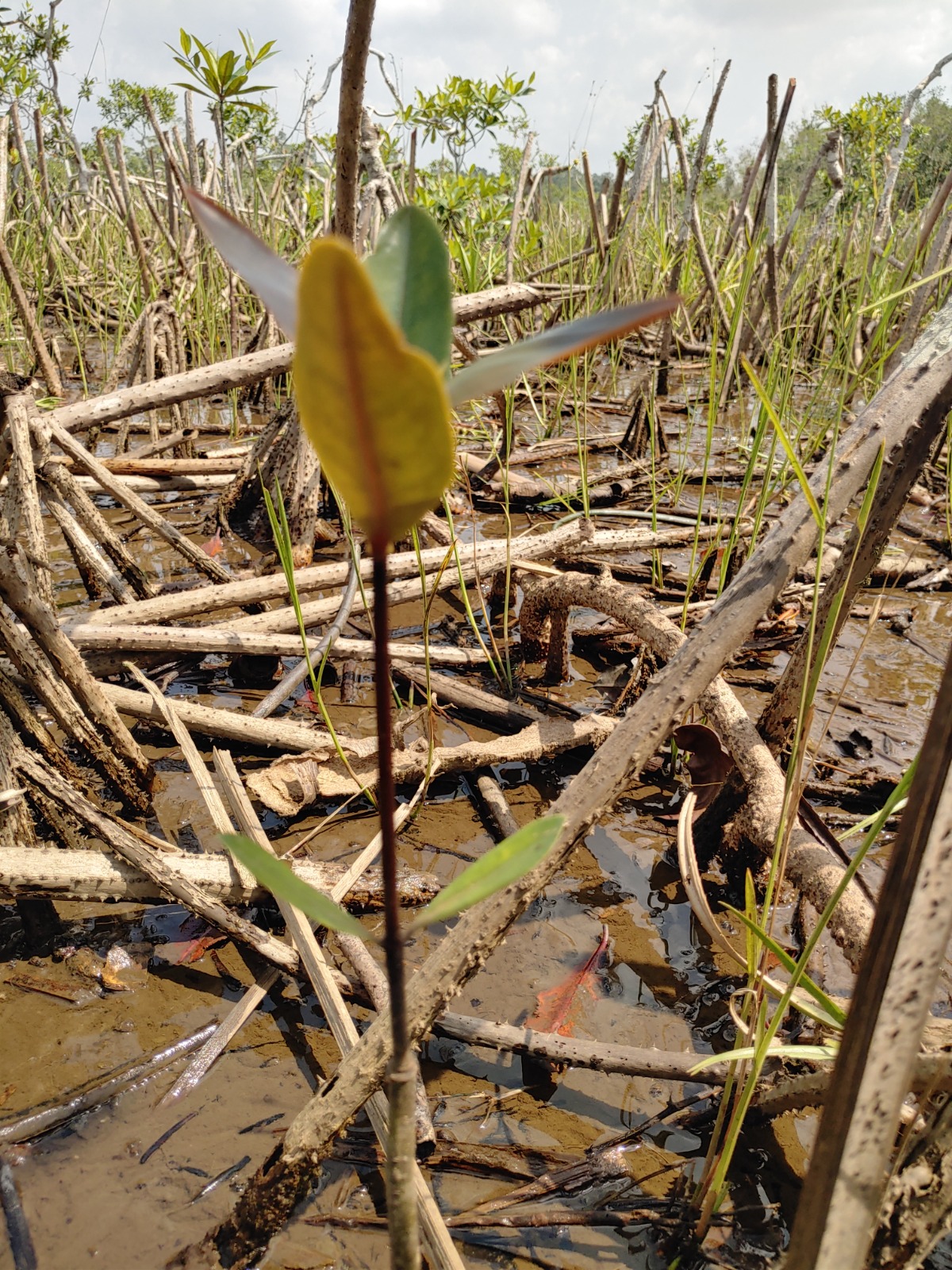
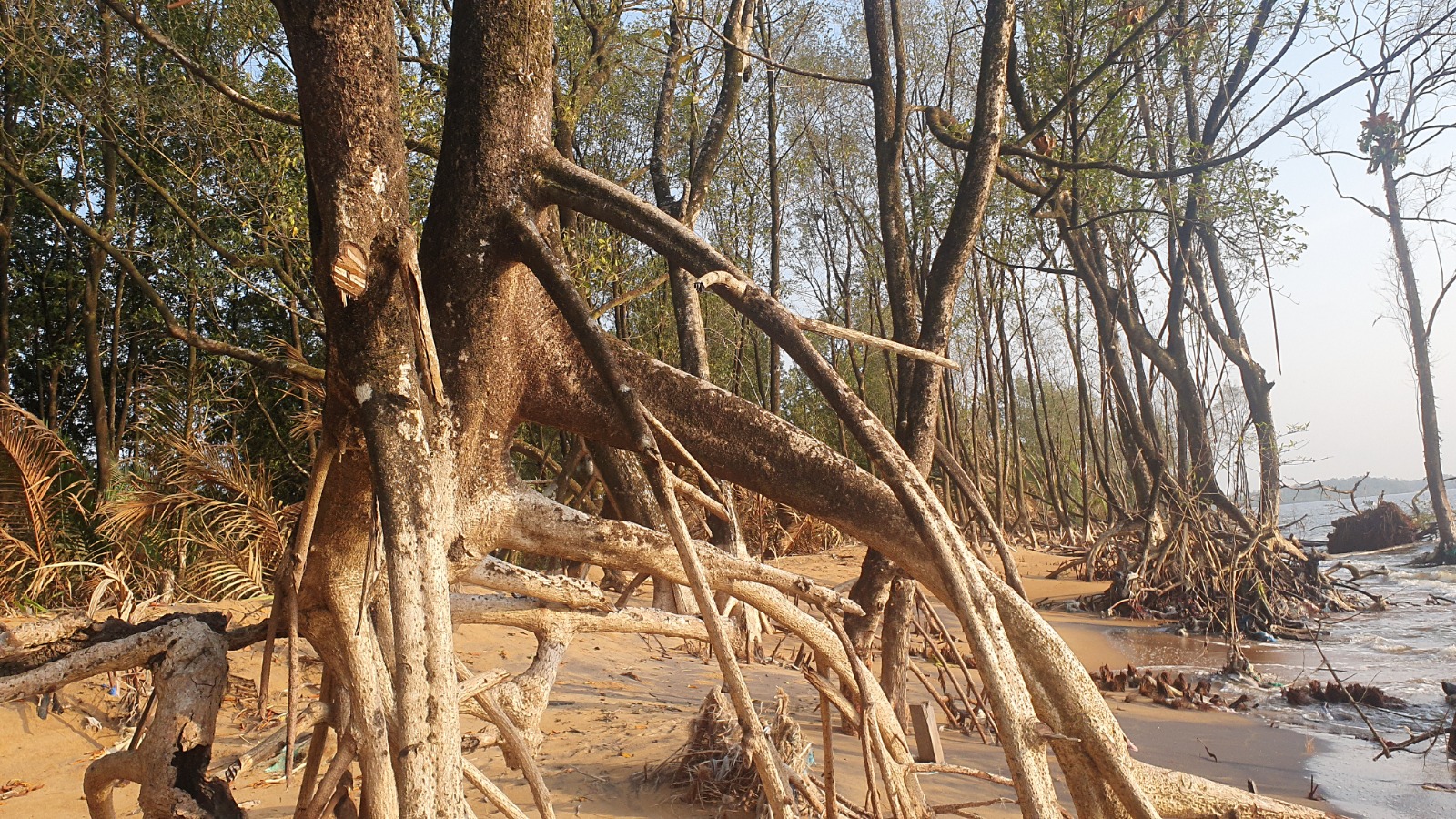
Dr. Leonard Usongo CWCS National Coordinator, said the results are a strong reminder that conserving Douala–Edéa is not only about protecting mangroves. “When we safeguard the full range of water habitats, lakes, streams, channels and river mouths, we protect biodiversity and the fishing livelihoods that depend on it,” he noted.
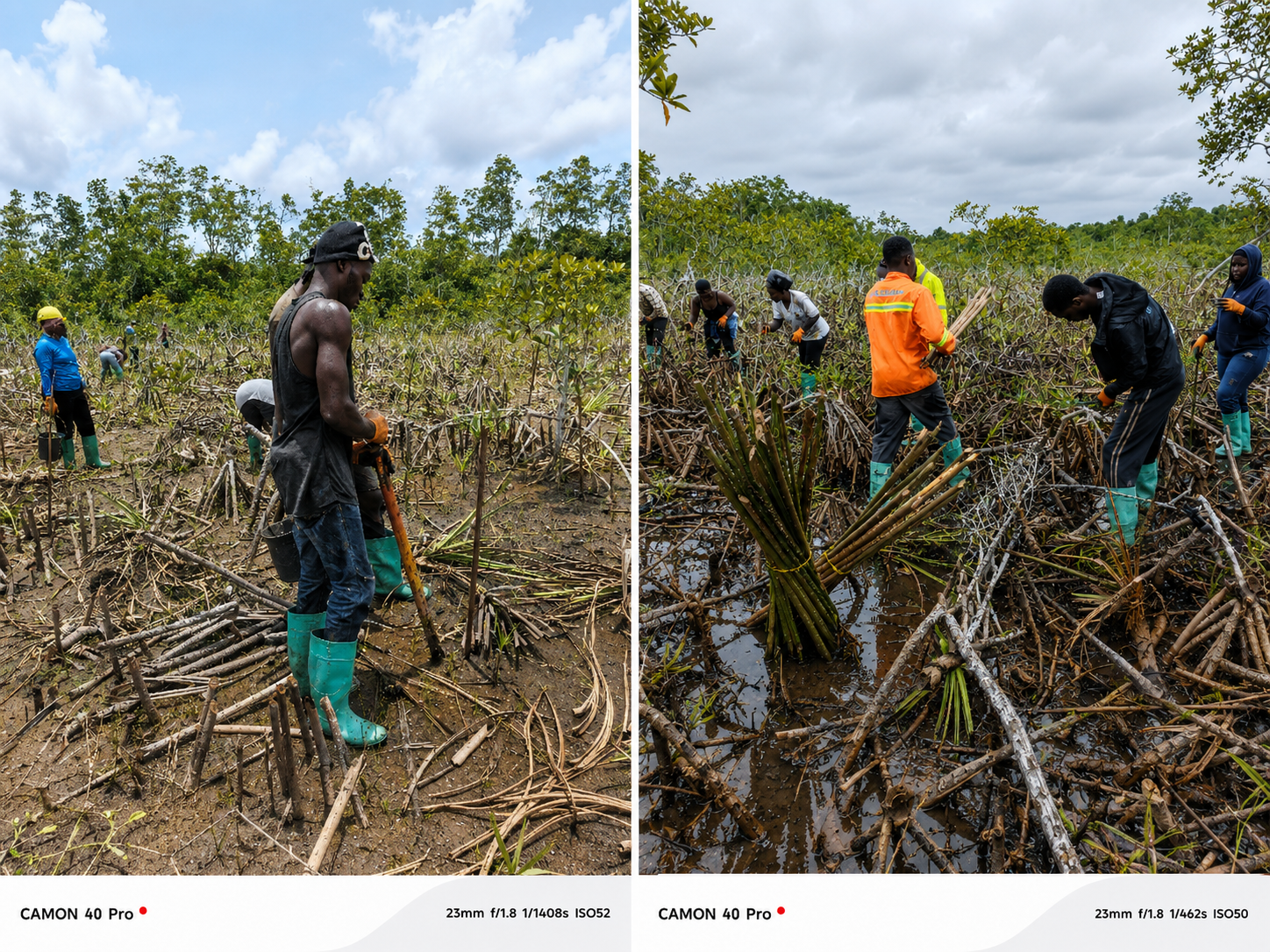
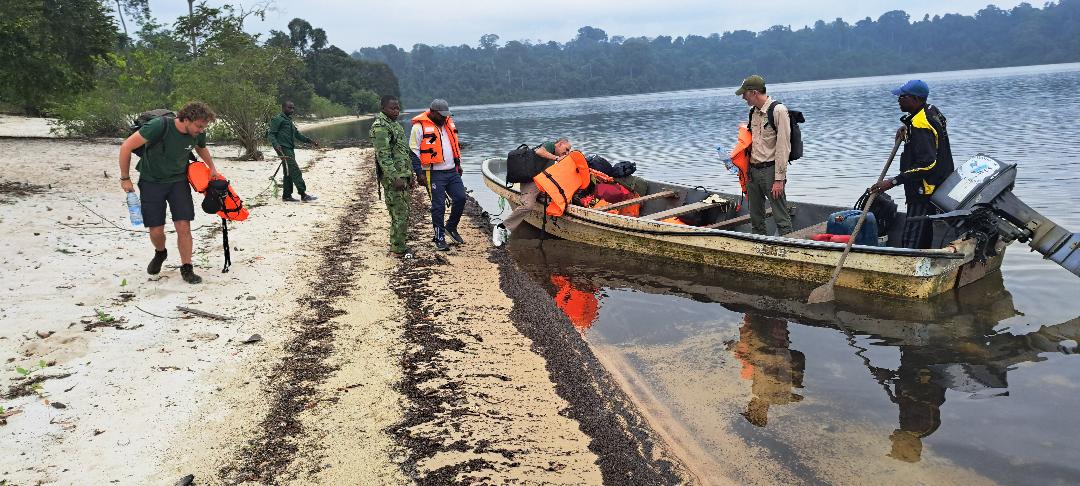
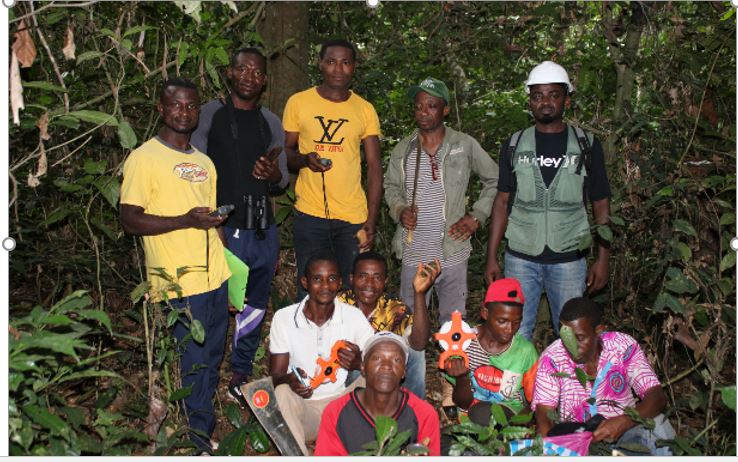
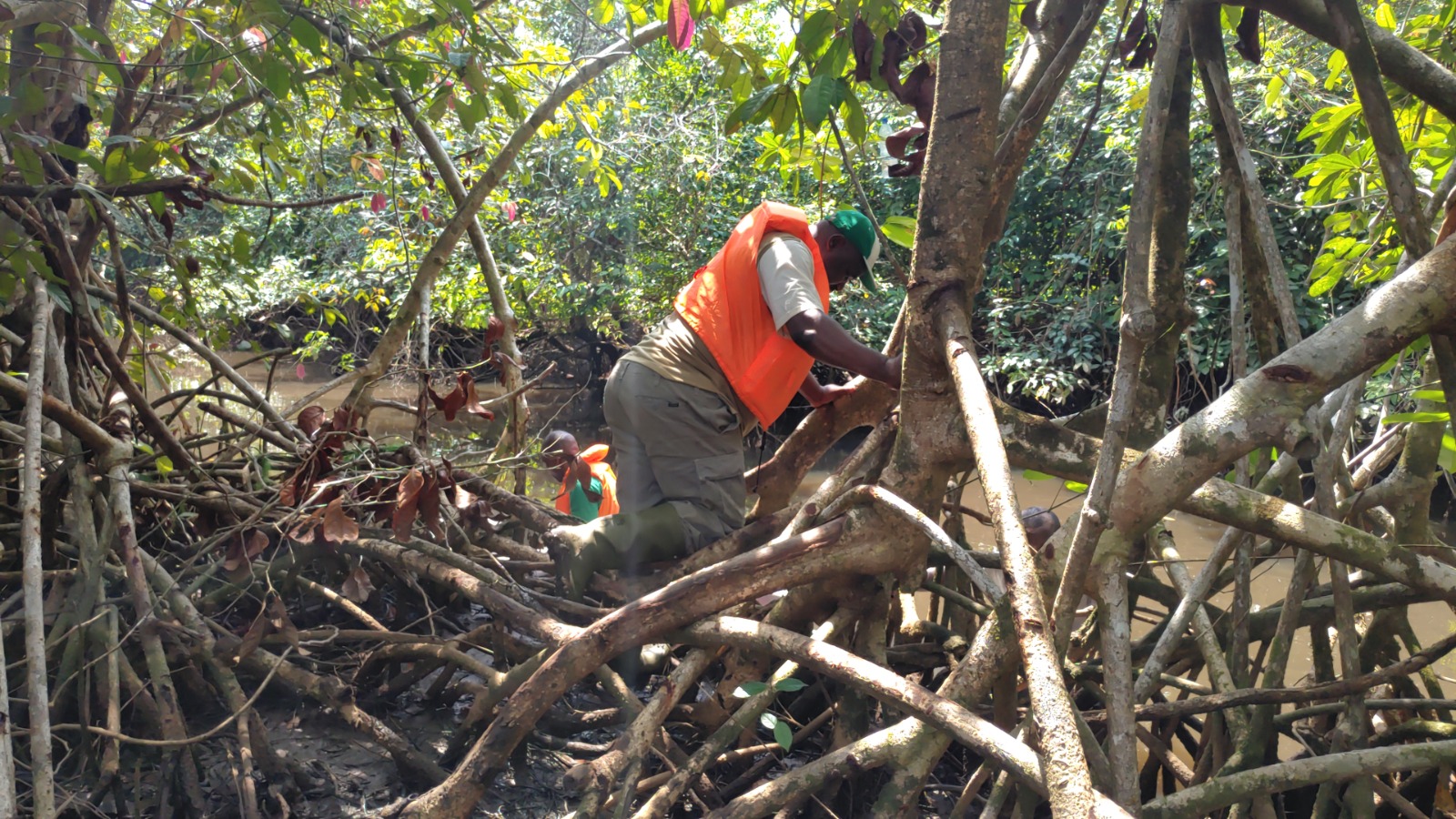
The study was carried out in mid-November 2025 across 12 sites, six brackish water habitats and six freshwater habitats, using hoop nets, a fine-mesh beach seine, and checks of local fishers’ catches.
Despite these limited methods, the team still recorded a rich mix of species and produced photographic documentation of what was sampled.
Why the survey matters
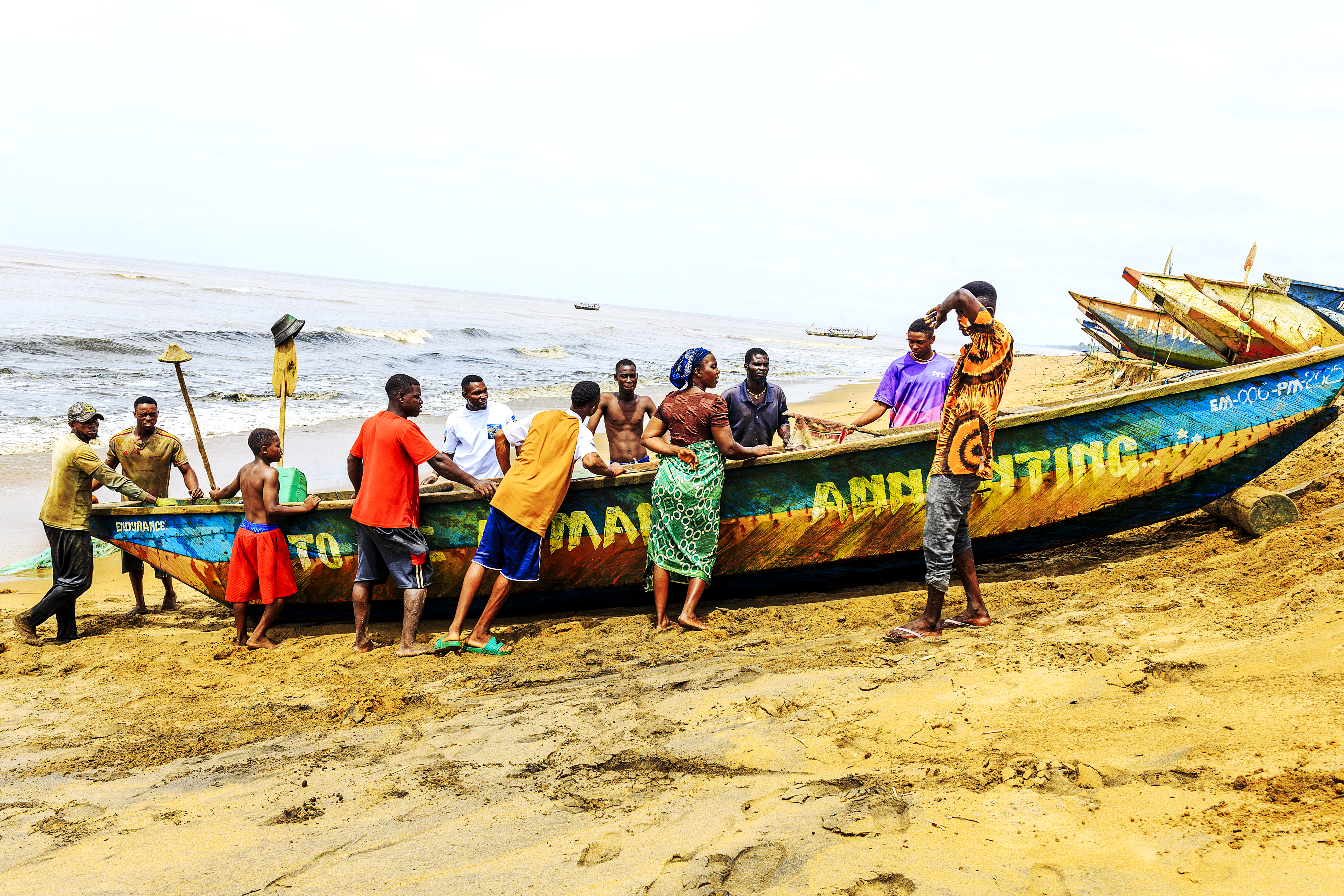
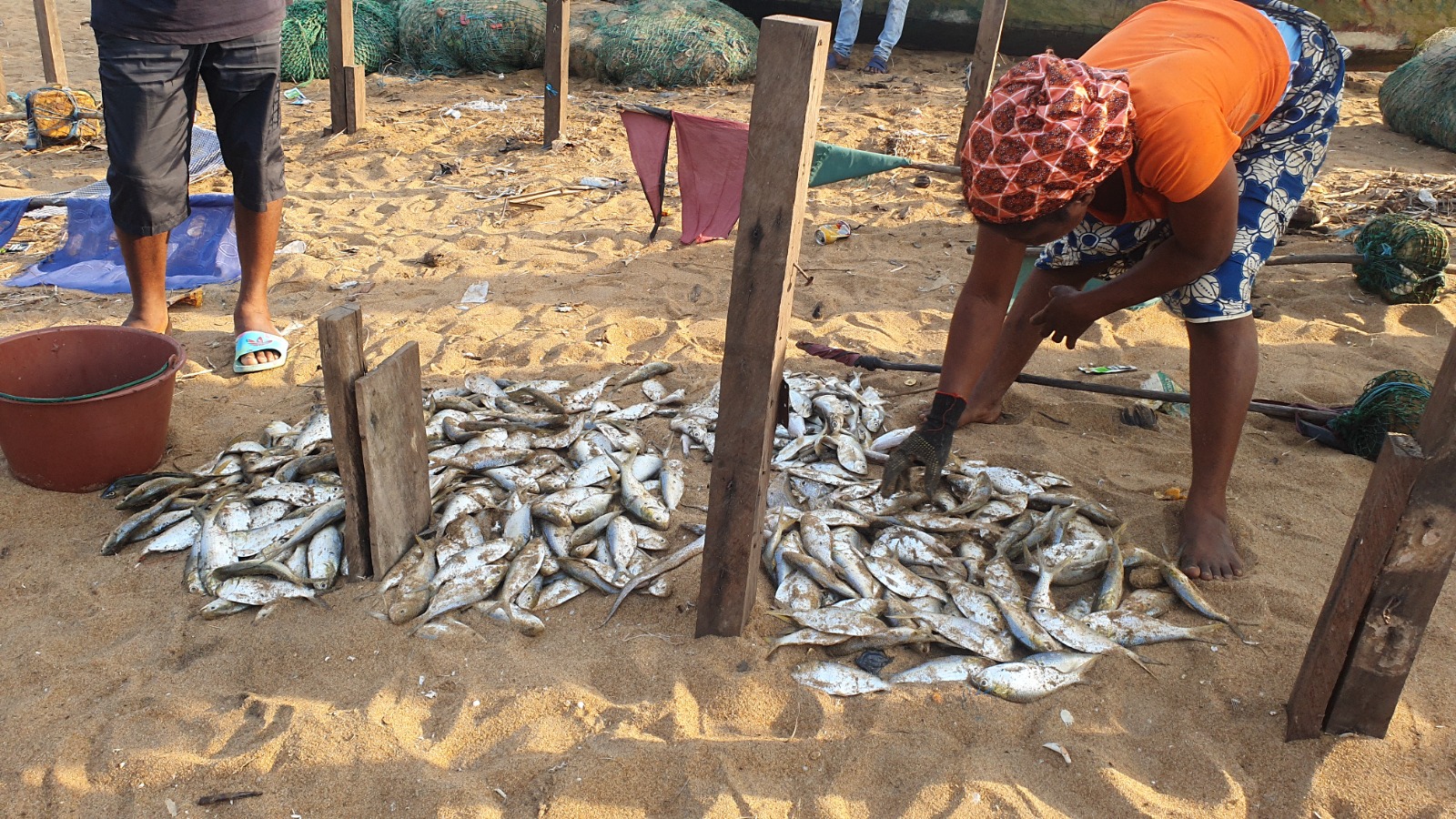
This rapid survey matters because Cameroon is developing coastal and marine management plans but still lacks a strong biodiversity database, especially for fish, to identify high-value sites for conservation, even though fish support the livelihoods of about 4,000 artisanal fishers.
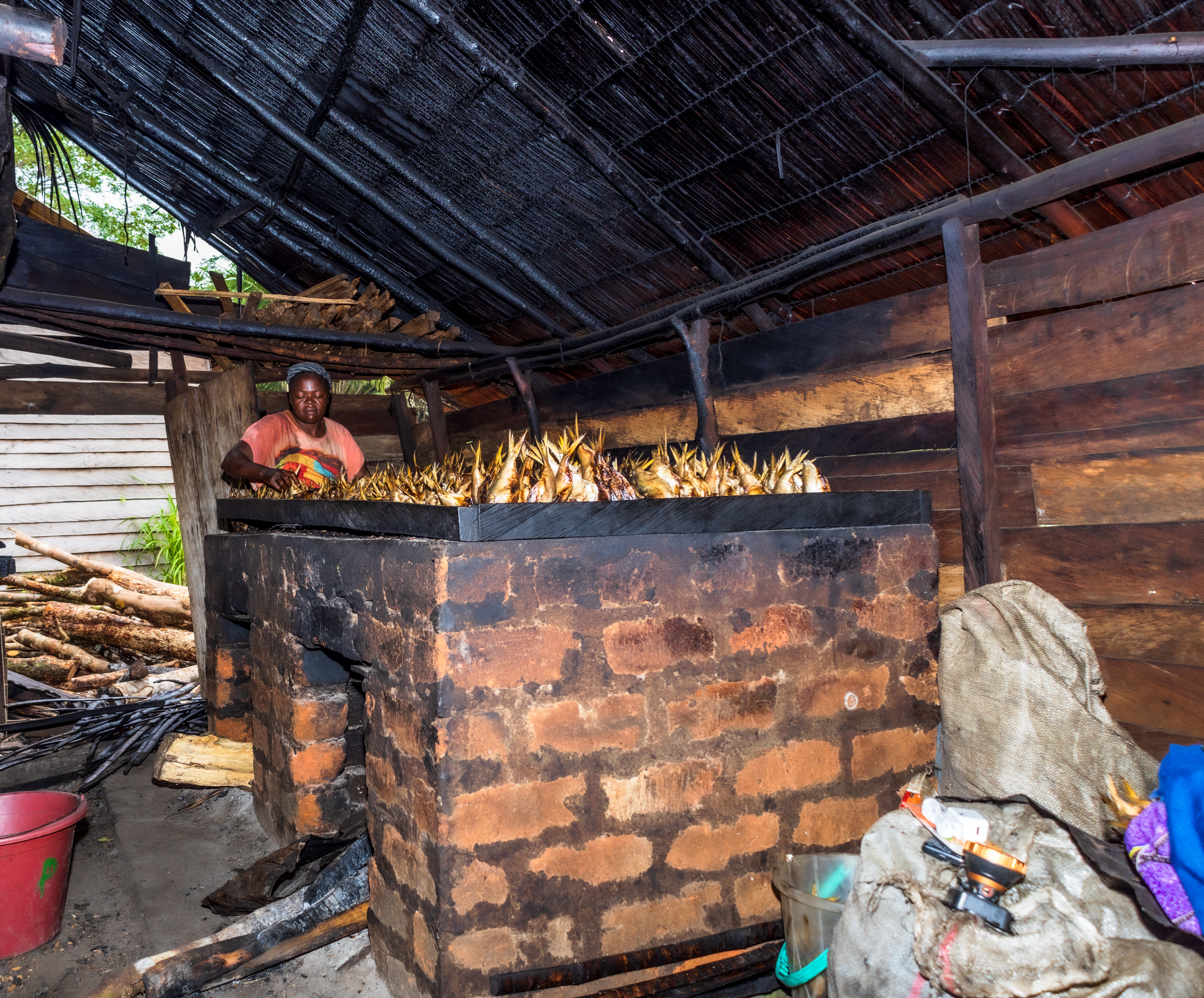
For local families, these findings are not just scientific. “When the small fish become scarce, we feel it immediately,” said one fisherman from the Douala–Edéa coastline. “It affects what we sell and what we eat at home.”
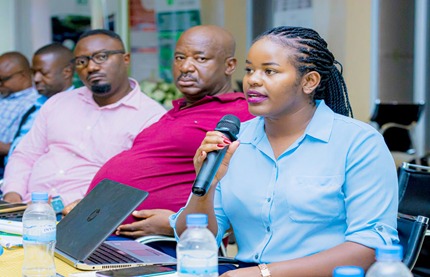
According to Dr. Ulrich K. Schliewen, senior ichthyologist from SNSB-Bavarian State Collection Germany, “The assessment provides an essential first baseline: reference lists of aquatic species and habitats, and early evidence on endemism and conservation value to guide protected areas and Other Effective Area Based Conservation Measures (OECMs).”
Cameroon needs a solid biodiversity baseline to plan coastal and marine protection. The report notes that the country is working on management plans for coastal/marine conservation areas, and that this work requires a robust biodiversity database to assess which areas have high conservation value.
That database is currently missing, especially for fish. The report says Cameroon does not yet have such a database for fish (or other aquatic groups), even though fish are central to the livelihoods of about 4,000 artisanal fishers. This rapid assessment is a first step toward long-term monitoring and smarter protection.