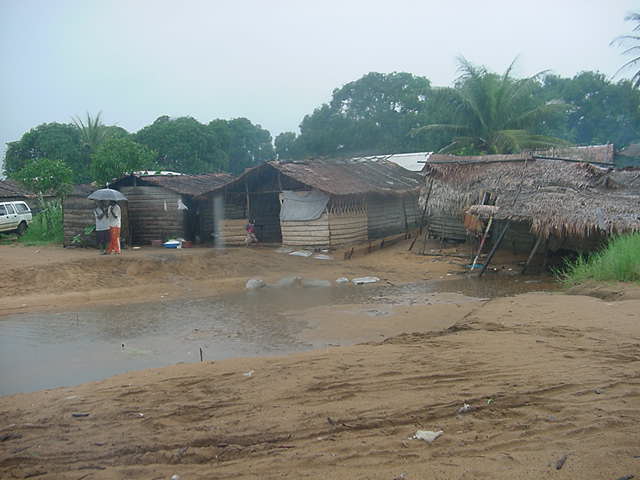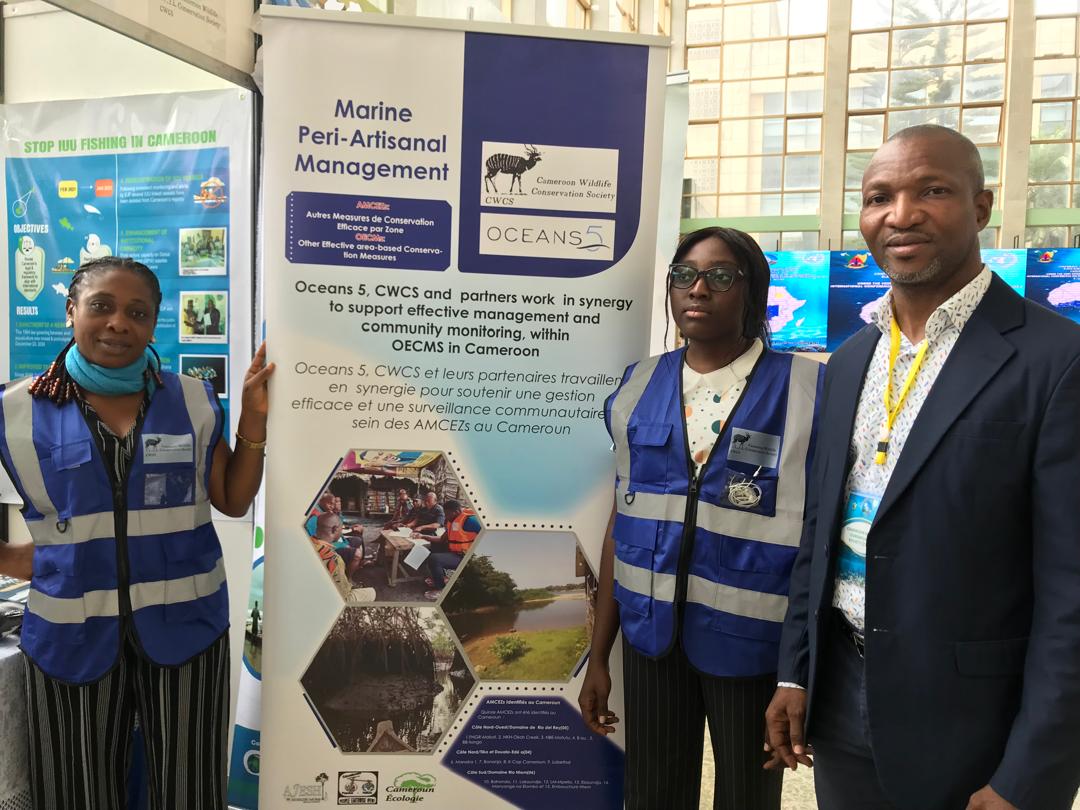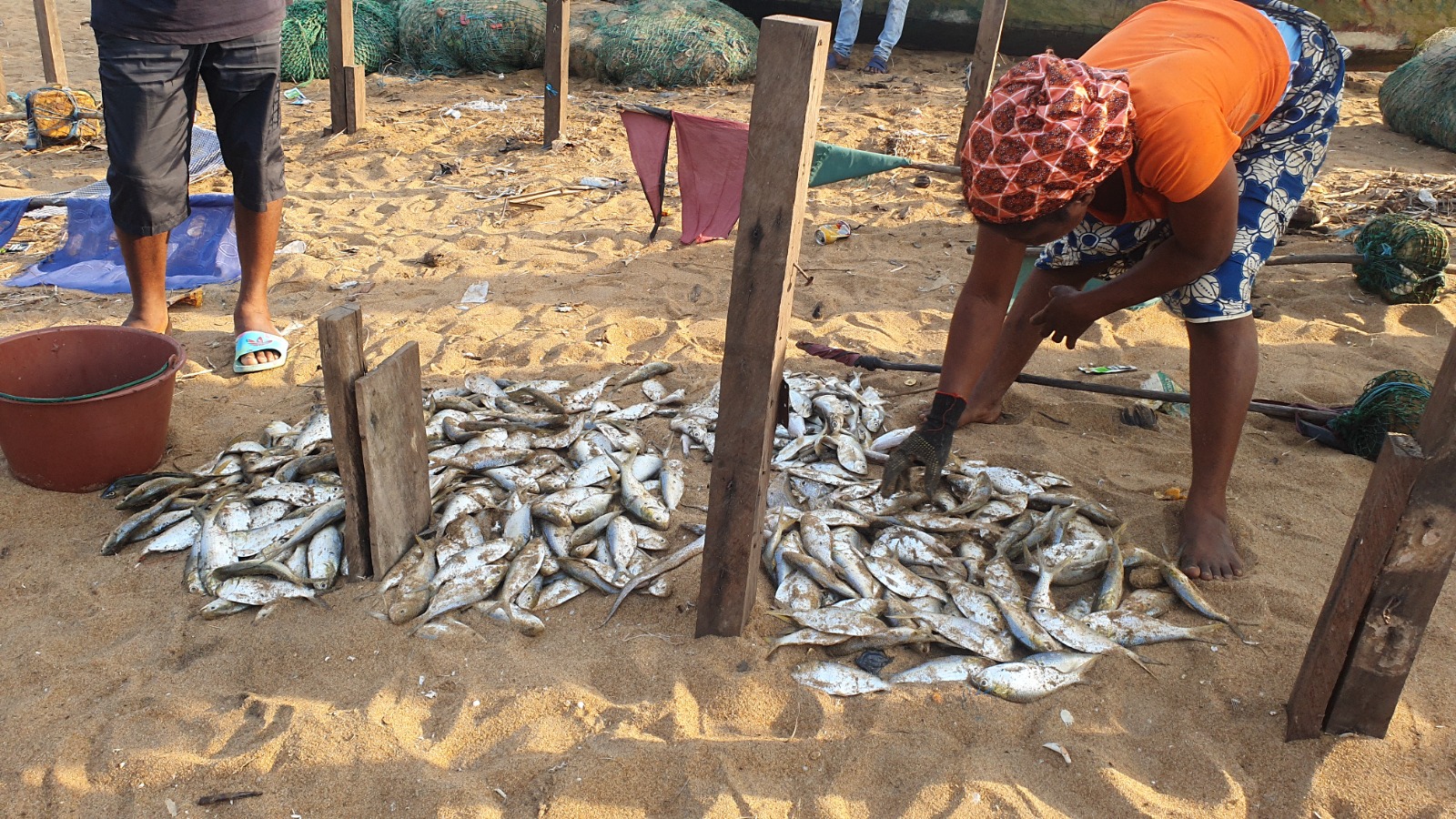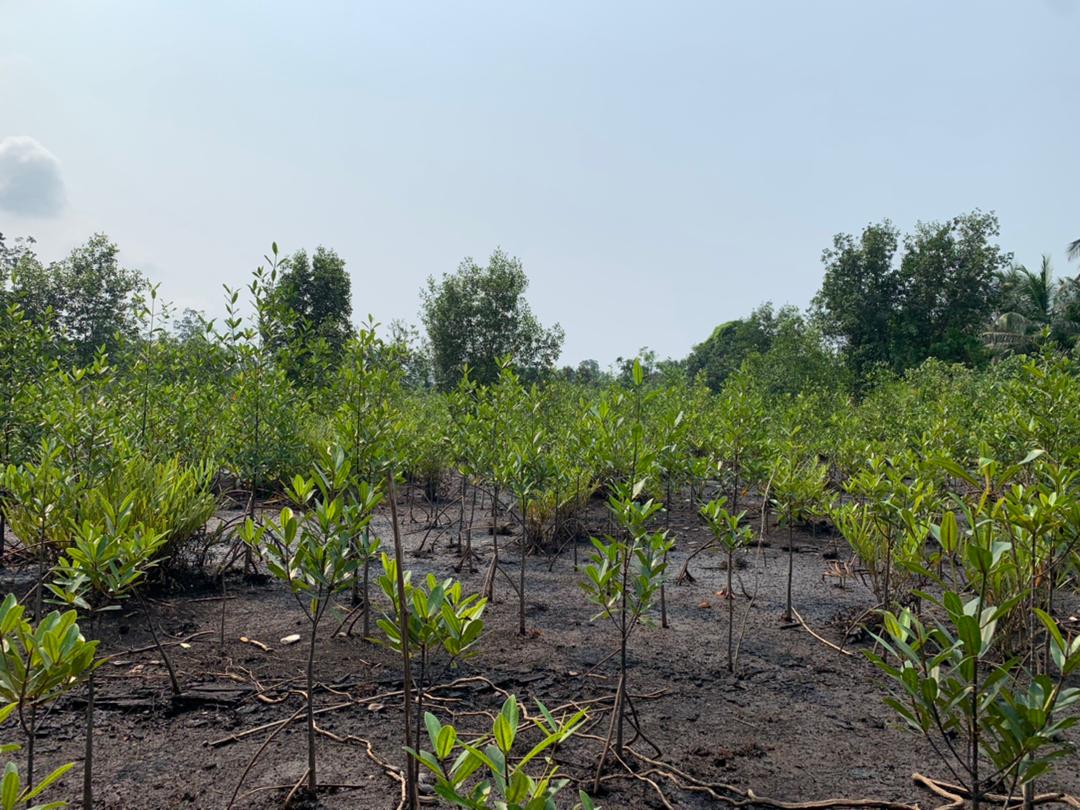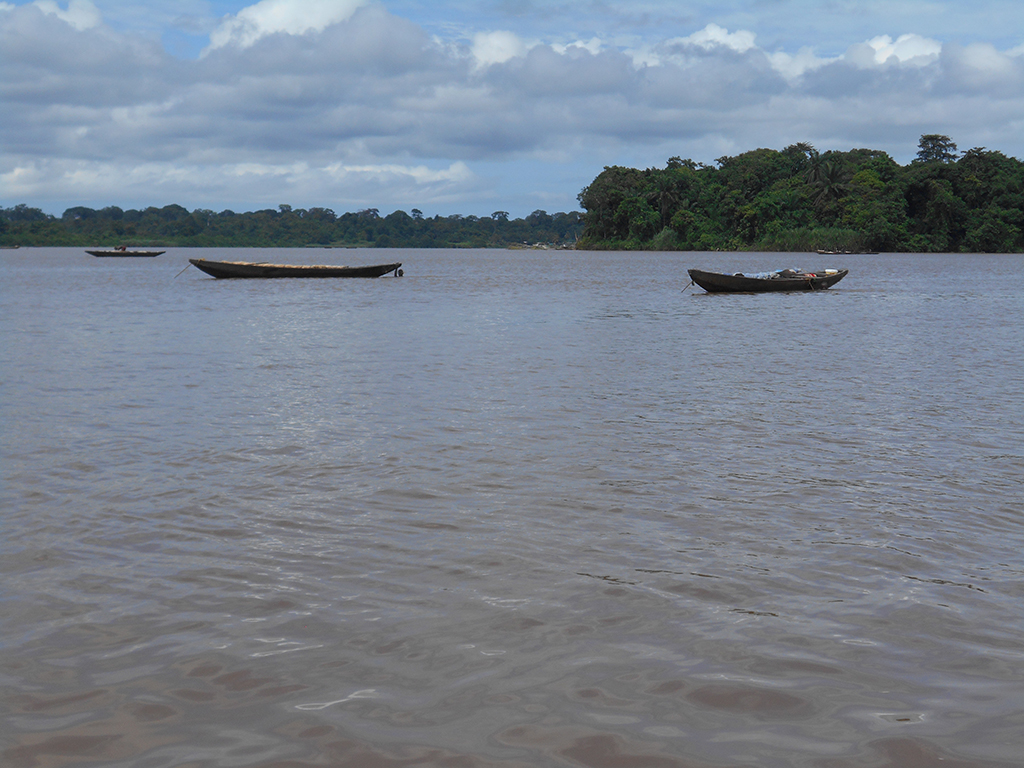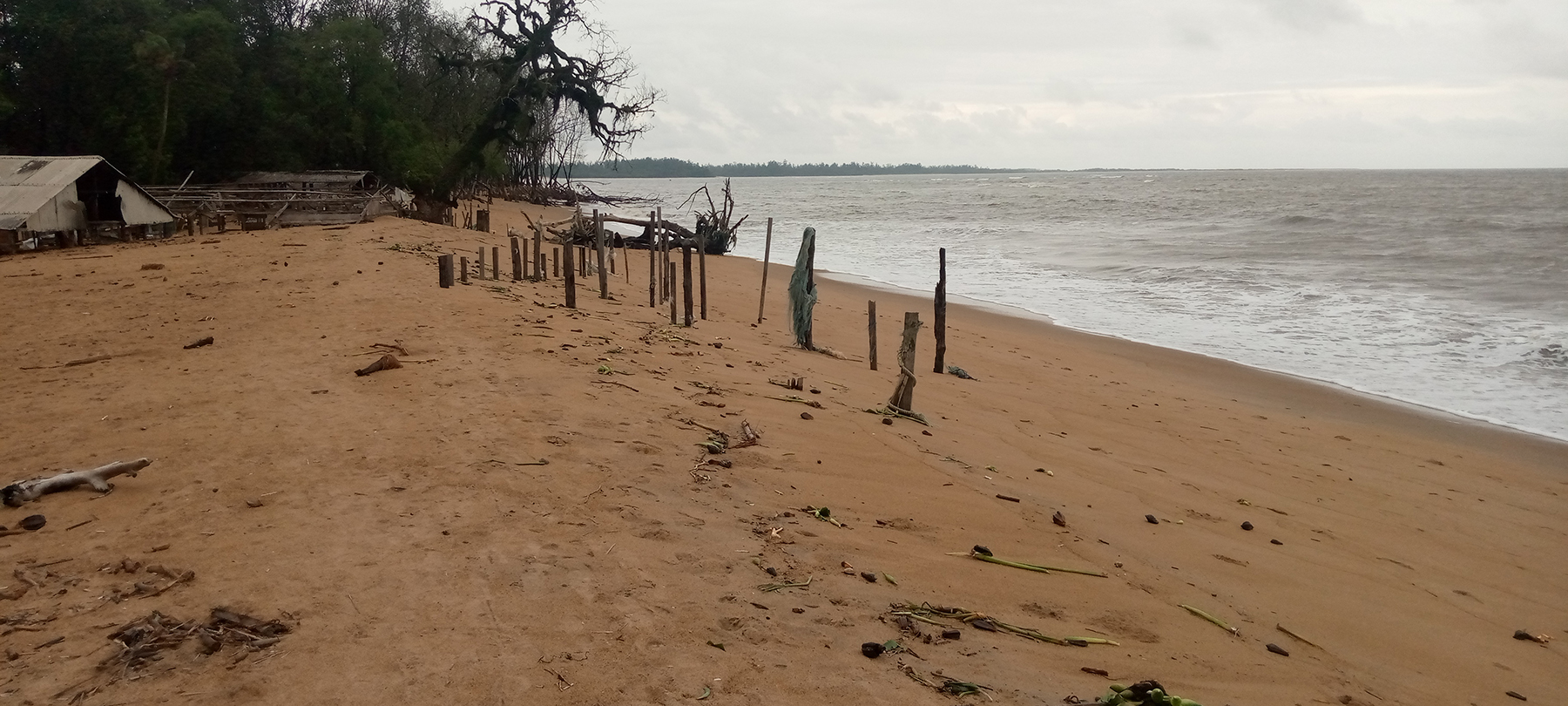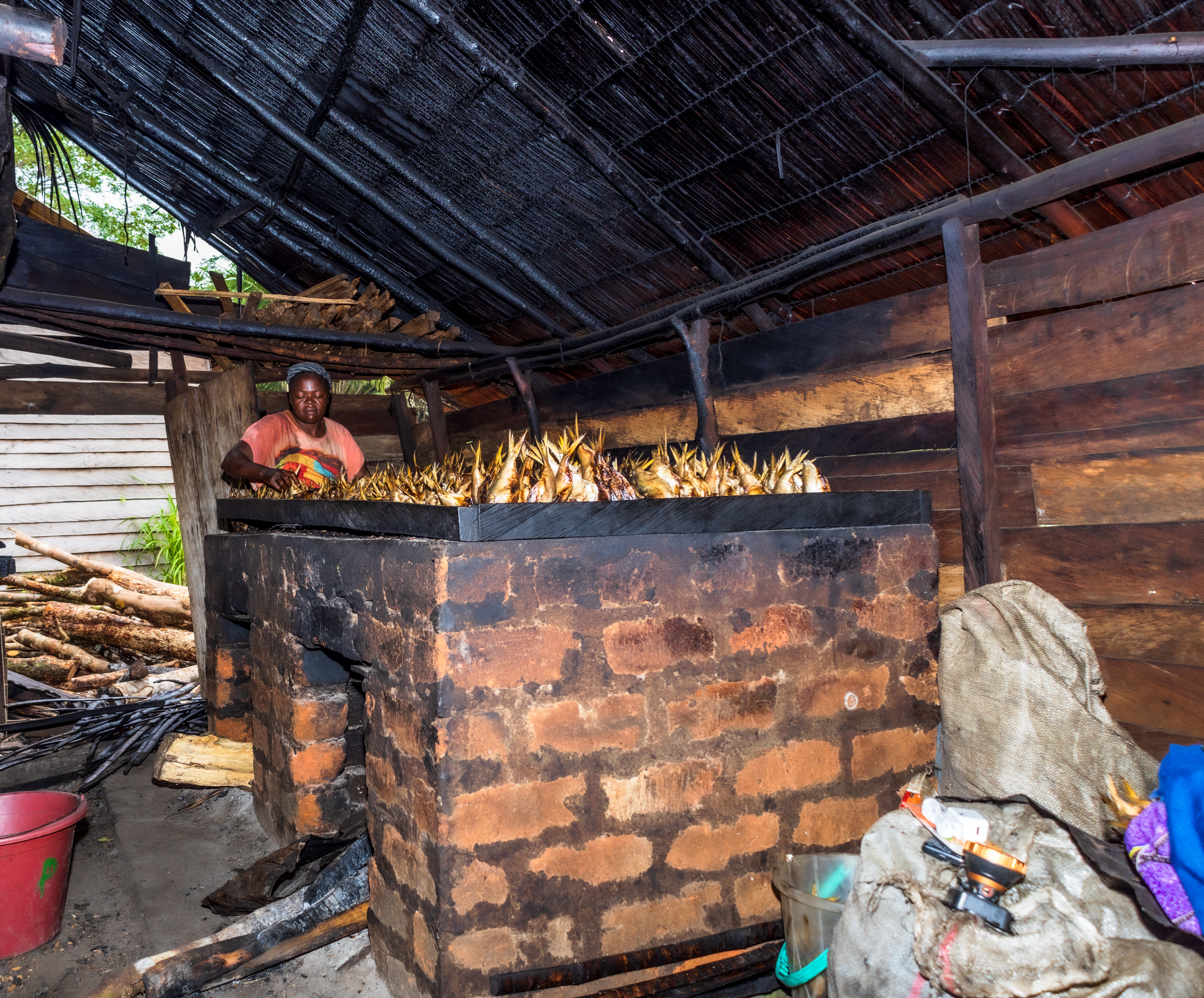
In Yoyo 1 village in Mouanko subdivision, a coastal village in the Douala-Edéa landscape of Cameroon’s Littoral Region, fish smoking is being transformed to protect both livelihoods and mangrove forests. Women fish processors, supported by partners such as the Cameroon Wildlife Conservation Society (CWCS), are shifting from traditional, wood-hungry kilns to improved, energy-efficient ovens that use less firewood, produce better-quality smoked fish and reduce pressure on fragile mangrove ecosystems.
For generations, smoked fish has been central to Mouanko’s economy and food security.
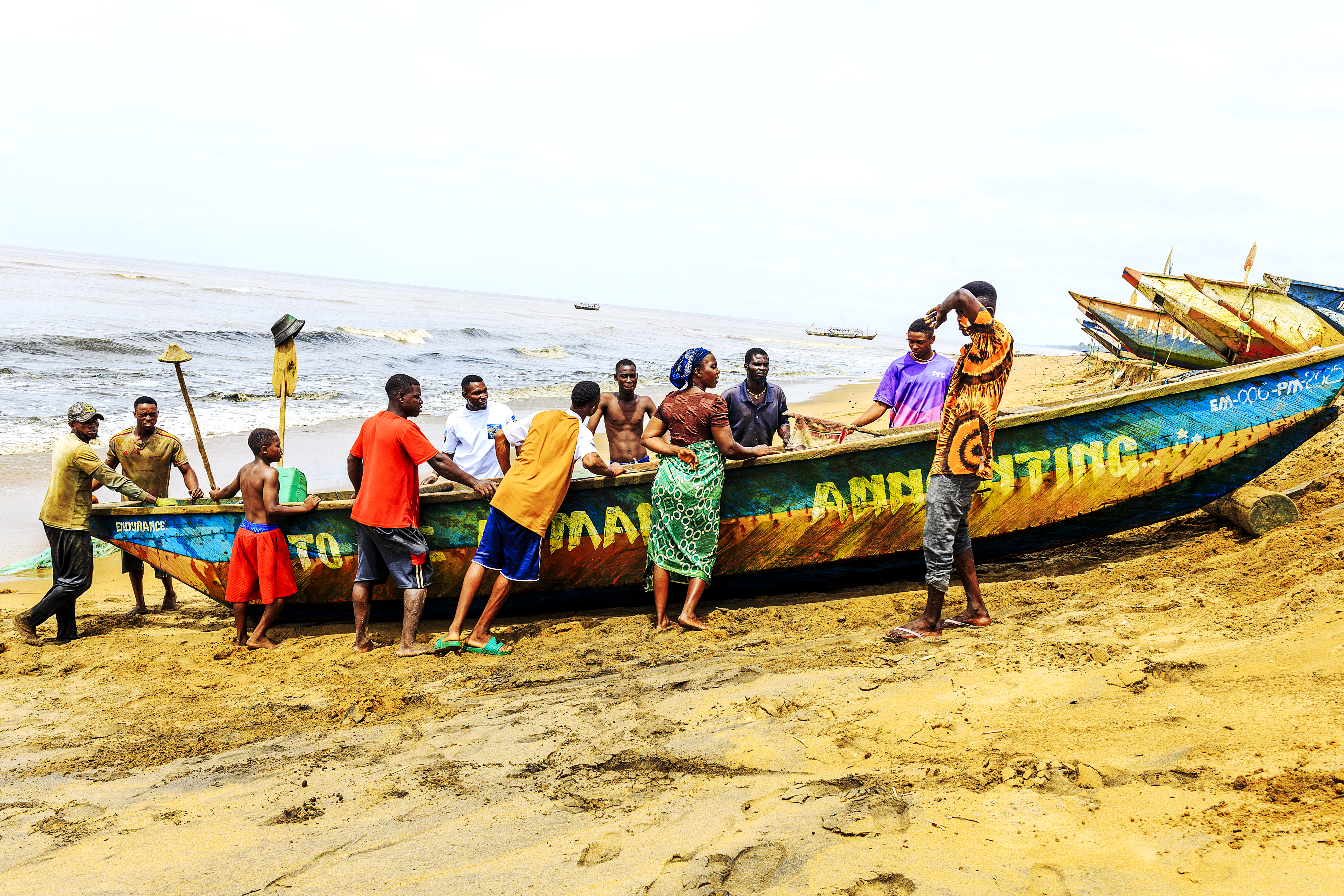
Each day, fishermen return from the Atlantic with canoes full of fish that are cleaned, salted and smoked before being sold in local and distant markets. But this vital activity has come at a high environmental cost.
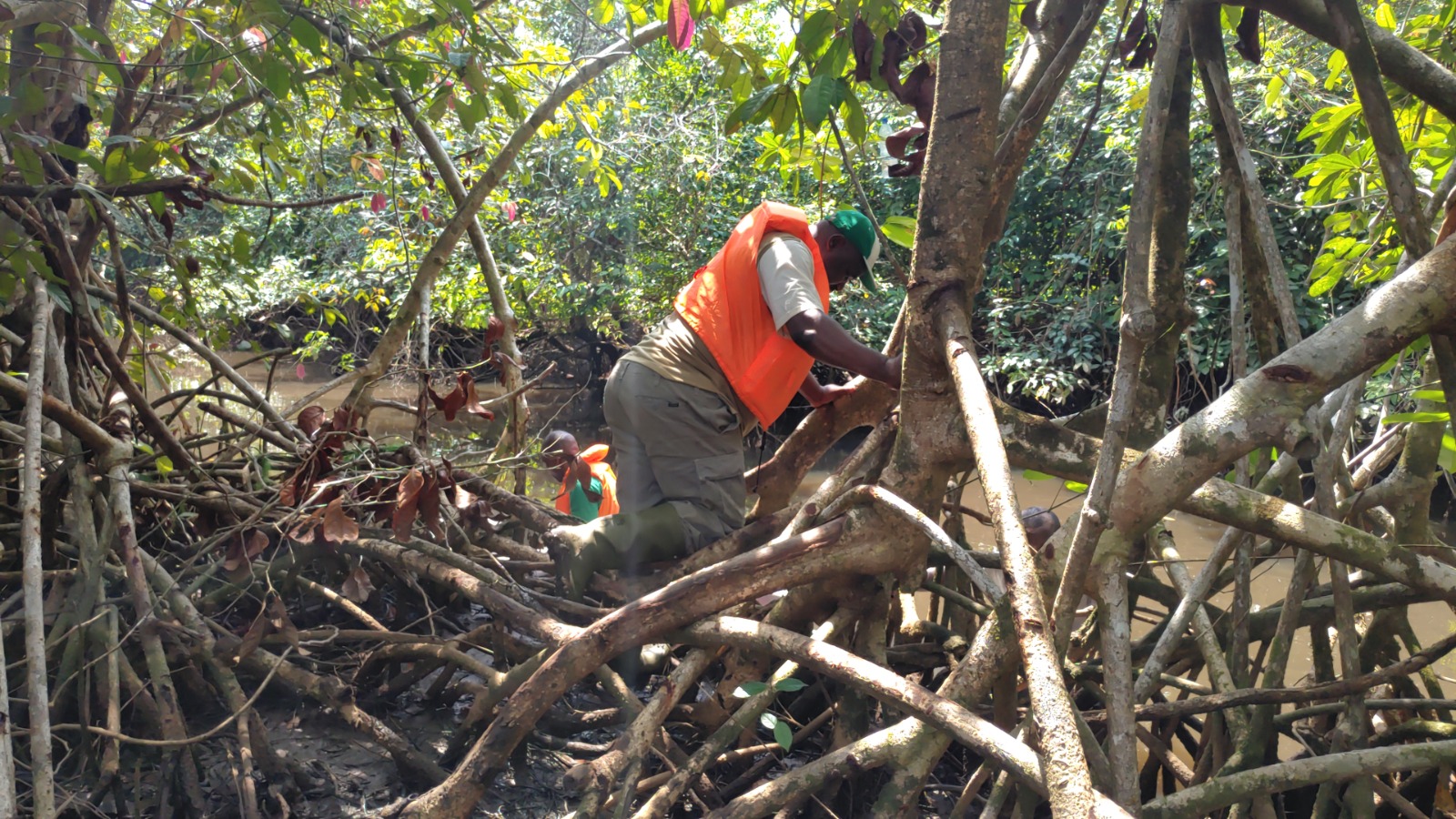
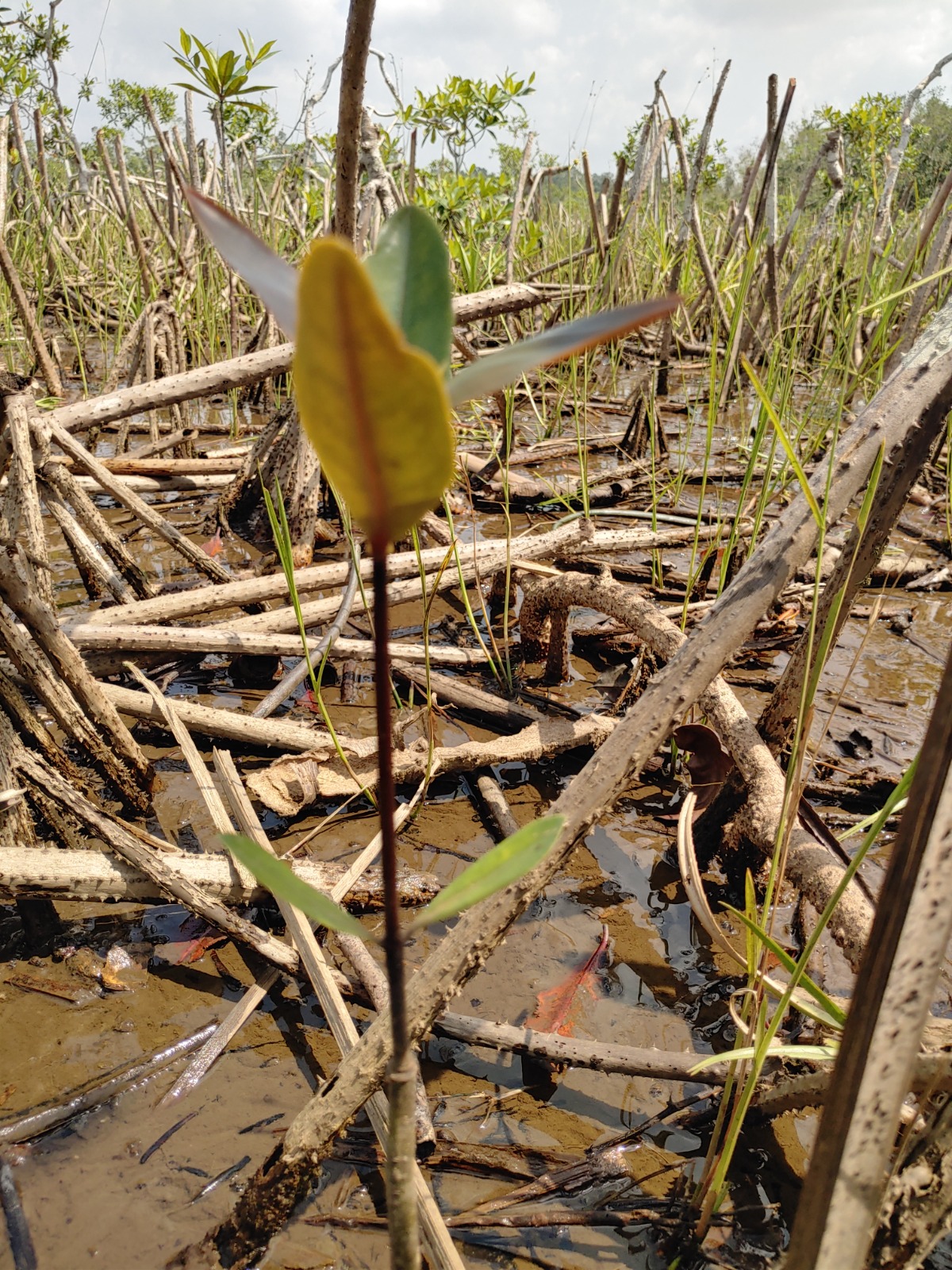
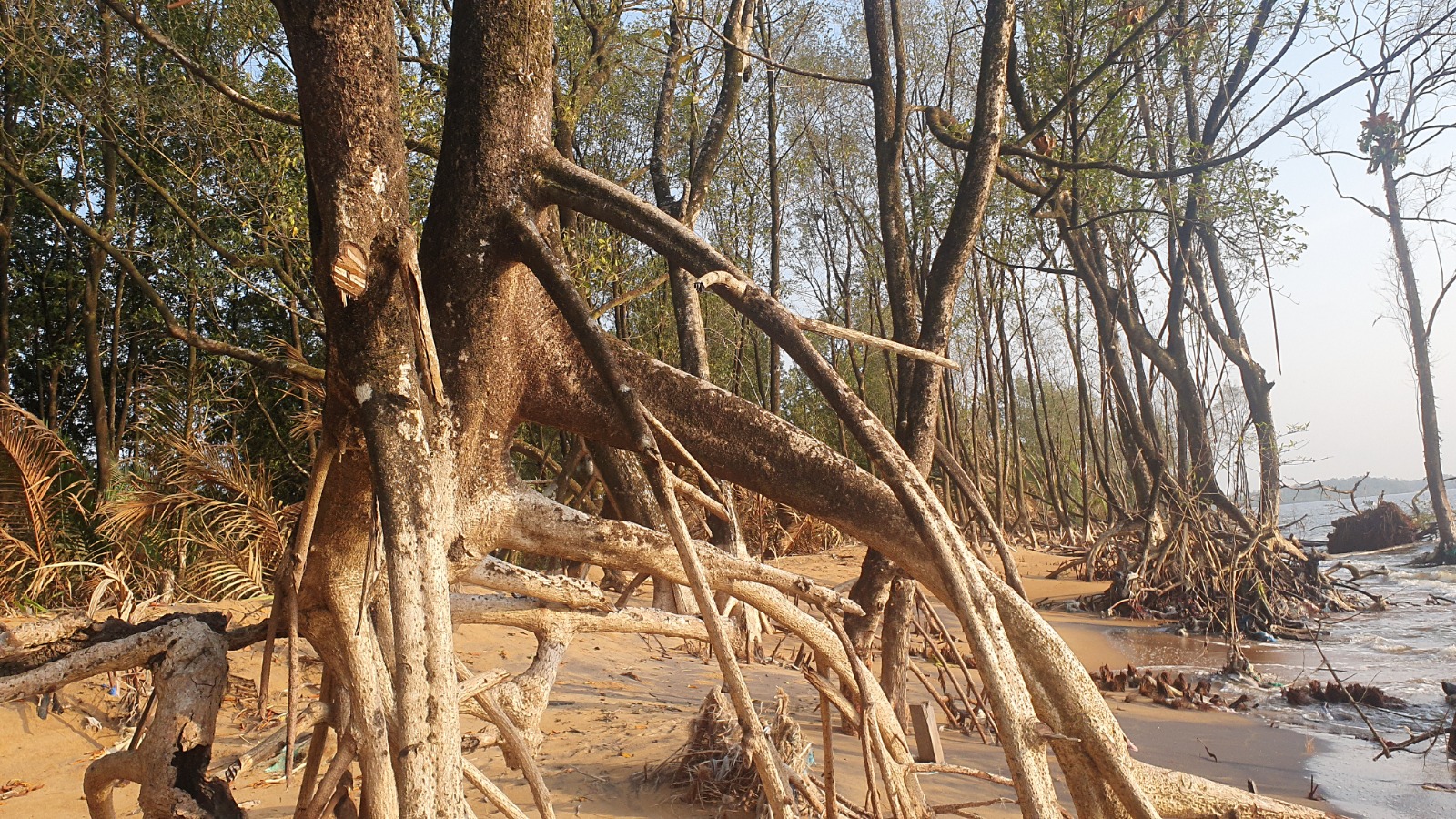
Traditional open kilns consume large amounts of mangrove wood and release thick smoke. As more mangroves are cut, natural fish nurseries disappear, coastlines lose protection from erosion and storms, and carbon stored in mangrove soils is released.
The new brick-built ovens with metal grates are designed to trap heat and burn fuel more efficiently. Women using them report faster, more even smoking and a more attractive product that sells at a higher price. The sheds are less smoky and safer to work in, while the reduced demand for wood helps slow mangrove degradation.
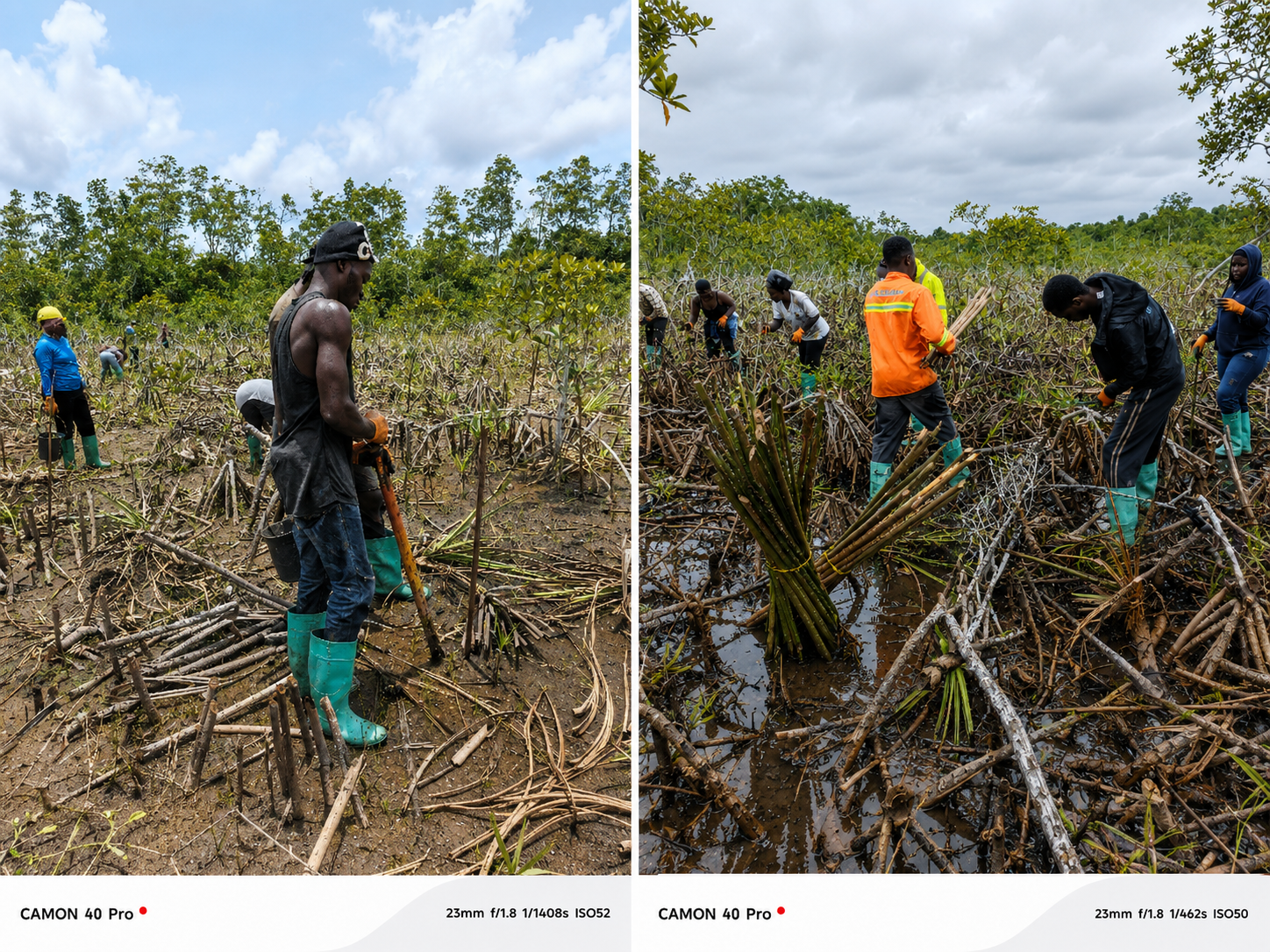
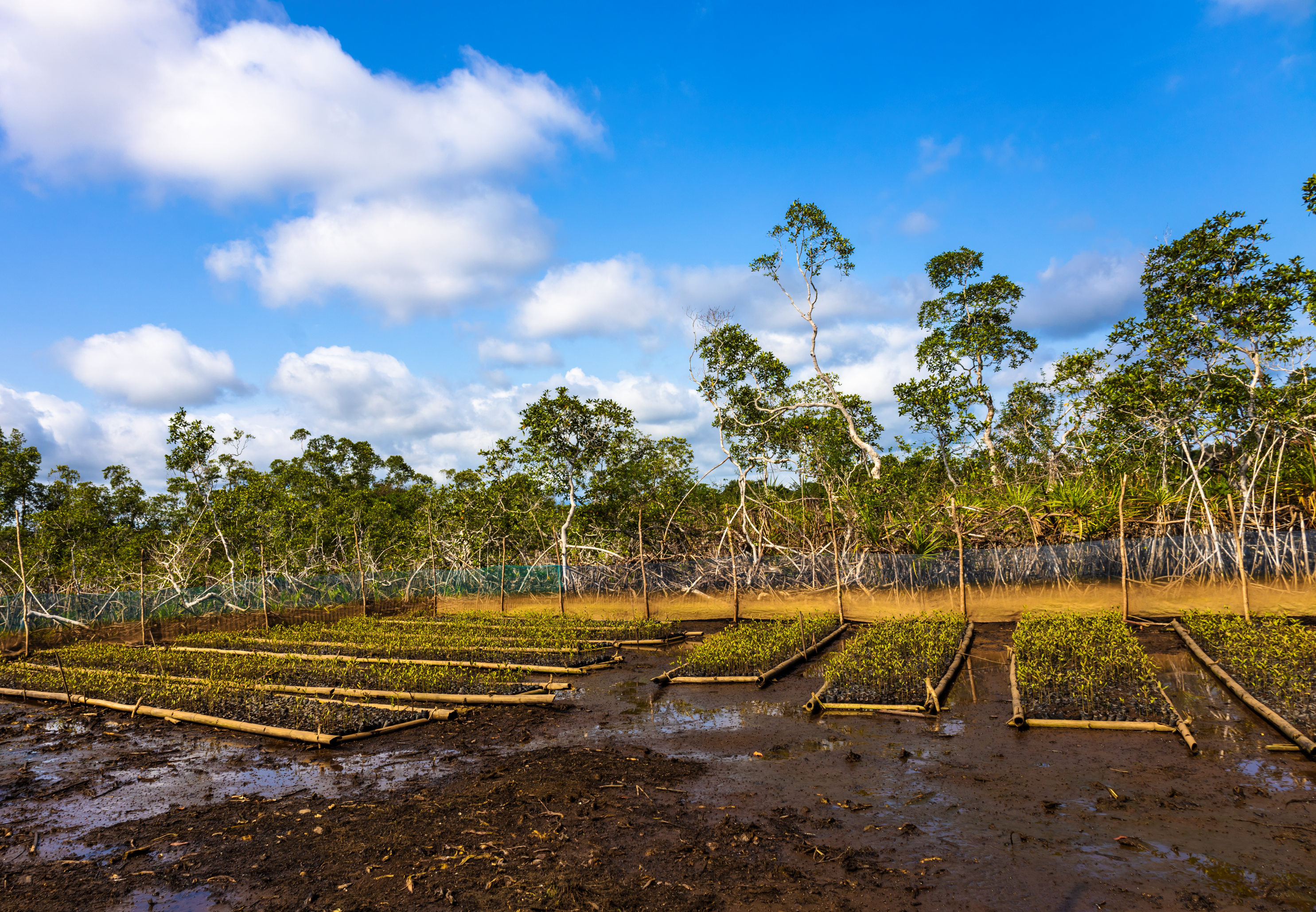
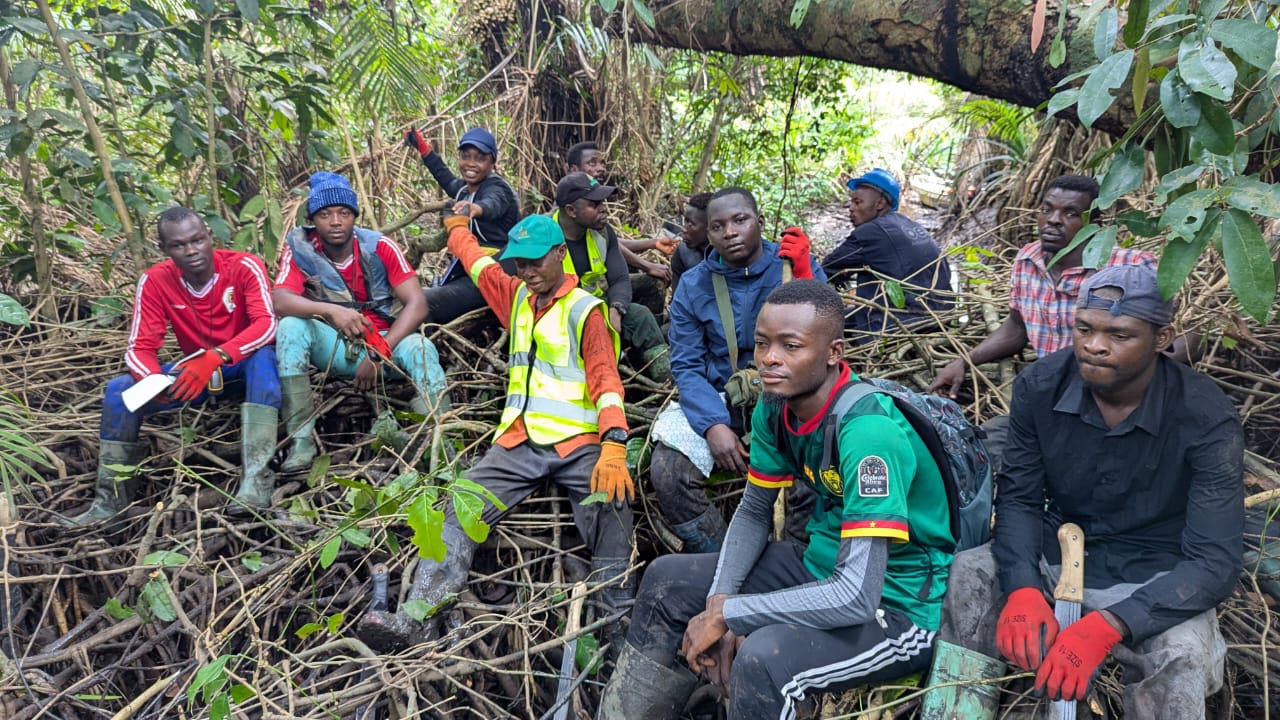
Alongside the technology shift, awareness activities explain the importance of mangroves for fisheries, coastal protection and climate. Community groups are encouraged to replant degraded areas and adopt more careful harvesting practices so trees can regenerate.
In this way, sustainable fish smoking in Mouanko is becoming a model for a “blue economy” that balances income with conservation. One improved oven, one restored mangrove stands and one empowered women’s group at a time, the village is showing that traditional practices can evolve to safeguard both people’s livelihoods and the forests that sustain them.